
Living Room
The living room is a hub for hidden chemical exposure — and because we spend so much time here, the toxic load quietly accumulates.
Top tips.
Synthetic rugs shed thousands of plastic fibres every time they're walked on. Simple material swaps in the room where you spend the most time go a long way.

- Choose Natural Flooring — Swap synthetic wall-to-wall carpets and polyester rugs for wool, jute, sisal, or organic cotton alternatives. Natural fibres don't shed plastic particles into the air your family breathes at floor level.
- Prioritise Solid Wood — Replace laminate or plastic-veneered furniture with solid wood, glass, or metal pieces. Many excellent options are available secondhand — better for your health and your wallet.
- Swap Out Synthetic Textiles — Transition from polyester and fleece throws and cushion covers to organic cotton, linen, or wool. Even ordinary friction from sitting warms synthetic fabrics and increases the rate at which they shed microplastic fibres.
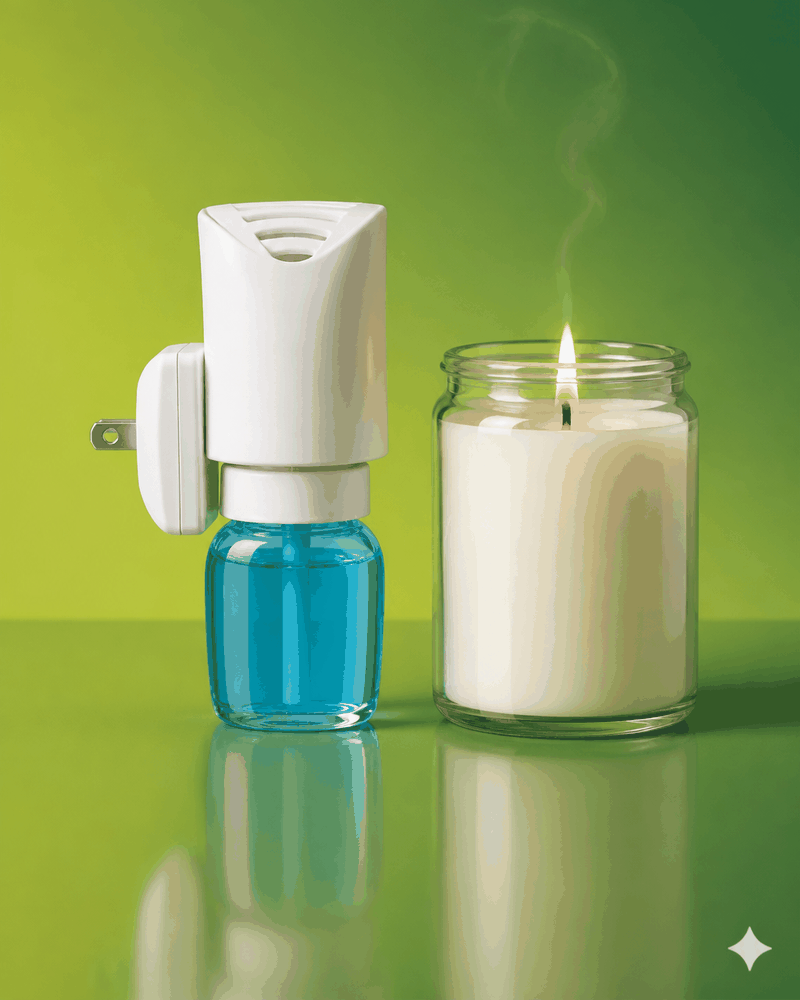
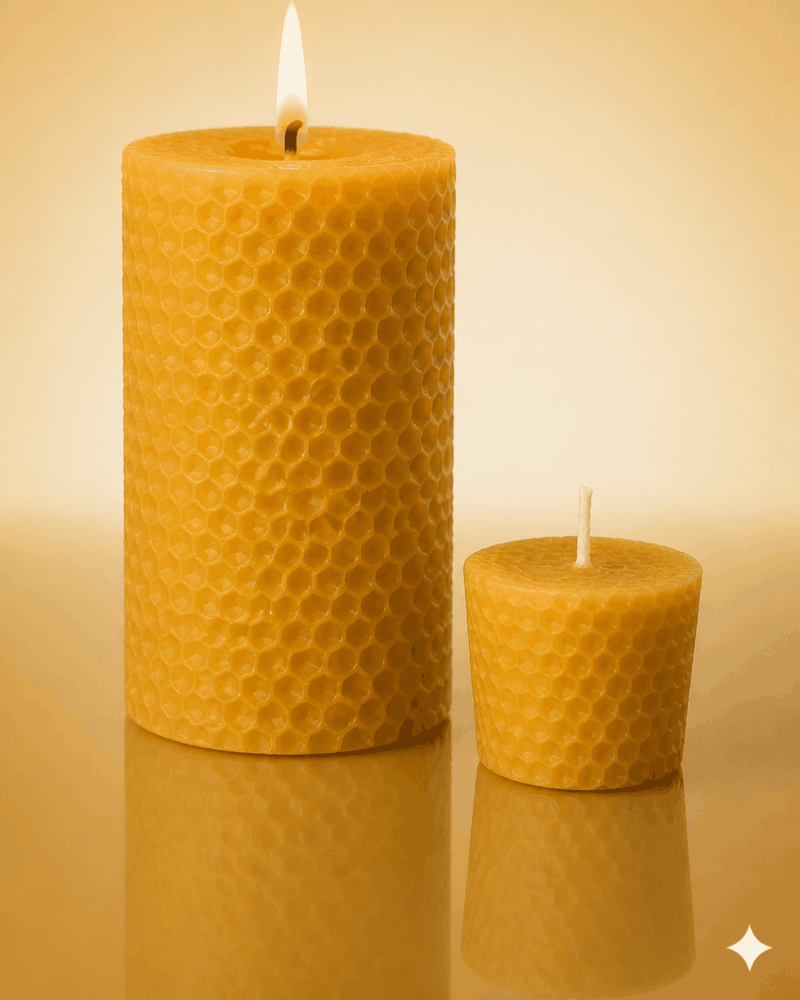
- Freshen Air Naturally — Ditch synthetic plug-in air fresheners, aerosol sprays, and paraffin candles for essential oil diffusers, beeswax candles, or houseplants that genuinely clean indoor air rather than masking odours with VOCs and phthalates.
- Protect Your Pets Too — Replace plastic food bowls and synthetic pet beds with stainless steel, ceramic, or natural fibre alternatives. PFAS and flame retardants accumulate in pets at higher levels than in humans in the same household.
- Tackle Dust Regularly — Use a damp cloth to wipe down surfaces and electronics weekly rather than dry dusting, which simply redistributes microplastic-laden particles back into the air you breathe.


The worst offenders
Learn which living room products contribute most to your indoor chemical load.
Flooring
Synthetic Carpets, Rugs, Soft Furnishings
Made from nylon, polyester, and other plastic-based fibres, synthetic rugs and carpets continuously shed microplastics into household dust with every footstep. Flame retardant and stain-resistant chemical treatments add a further layer of exposure — and because children and pets spend far more time close to the floor, they bear the highest burden.
Furniture & Textiles
Upholstery, Cushions, Pillows, Blankets
Most upholstered sofas and cushions use polyurethane foam treated with flame retardants that off-gas into indoor air and settle into dust. Fleece and microfibre throws shed thousands of synthetic fibres through everyday friction — especially when warmed by body heat. Decorative pillow fills made from shredded polyurethane foam break down over time, releasing microplastics and residual chemical additives.
Air Fresheners
Scented Plug-Ins, Aerosol Sprays, Candles
Products designed to scent the air release synthetic chemicals directly into your breathing space. Plug-ins and sprays emit volatile organic compounds and phthalates that compromise indoor air quality and disrupt hormones. Paraffin candles add combustion by-products on top. The result is a steady, invisible stream of chemicals in the air of your most-used room.
Pet Products
Chew Toys, Food Bowls
Plastic items in daily contact with pets can leach endocrine-disrupting chemicals during normal use. Due to close floor contact and dust ingestion, dogs and cats often accumulate higher concentrations of household flame retardants and plastic additives than the humans living alongside them — PFAS have been detected in pets at levels comparable to, or higher than, their owners.
Labels
Watch out for these claims on living room furnishings and textiles.

Stain-Resistant
Frequently achieved using PFAS — "forever chemicals" that migrate into household dust and are absorbed through skin contact with treated fabrics, rugs, and upholstery over time.

Flame Retardant
Added to the foam inside sofas, armchairs, and cushions, these chemical treatments are linked to hormone disruption and developmental issues — and off-gas steadily into the air of rooms where you spend hours every day.

Polyester / Acrylic
Plastic-based fabrics that shed microplastic fibres into your home's air through friction, heat, and wear. Every wash and every use releases more particles into the environment — and ultimately into your body.