
Top tips.
You spend a third of your life in bed — small changes here can significantly cut your exposure to off-gassing chemicals and microplastics.

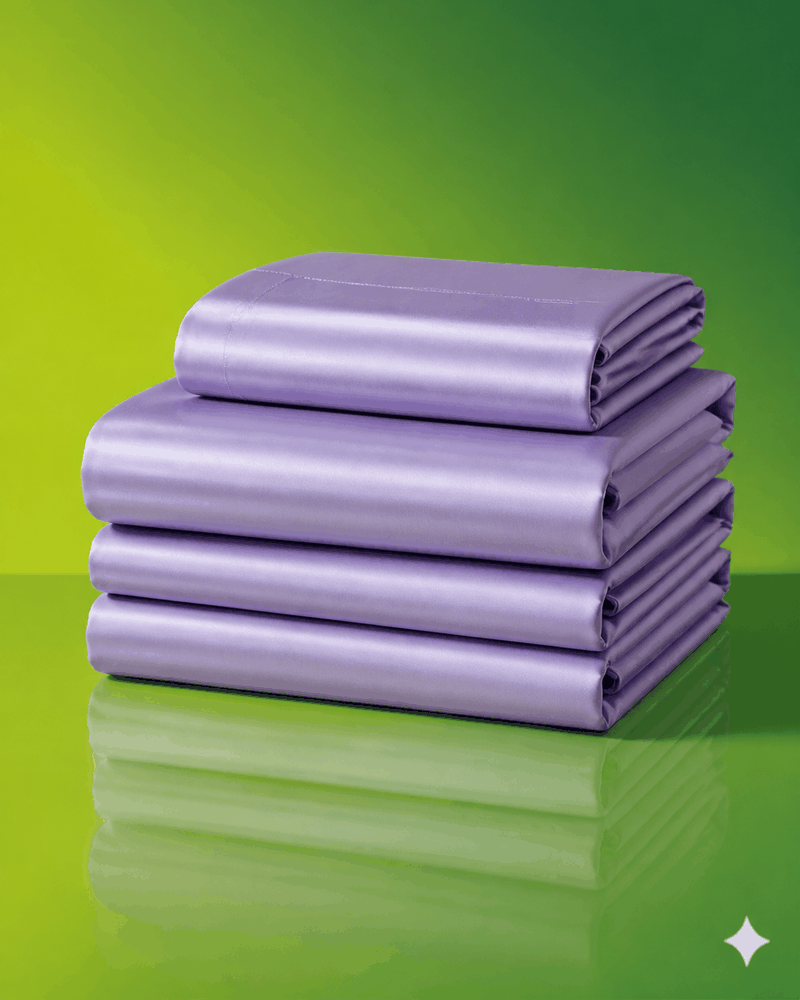
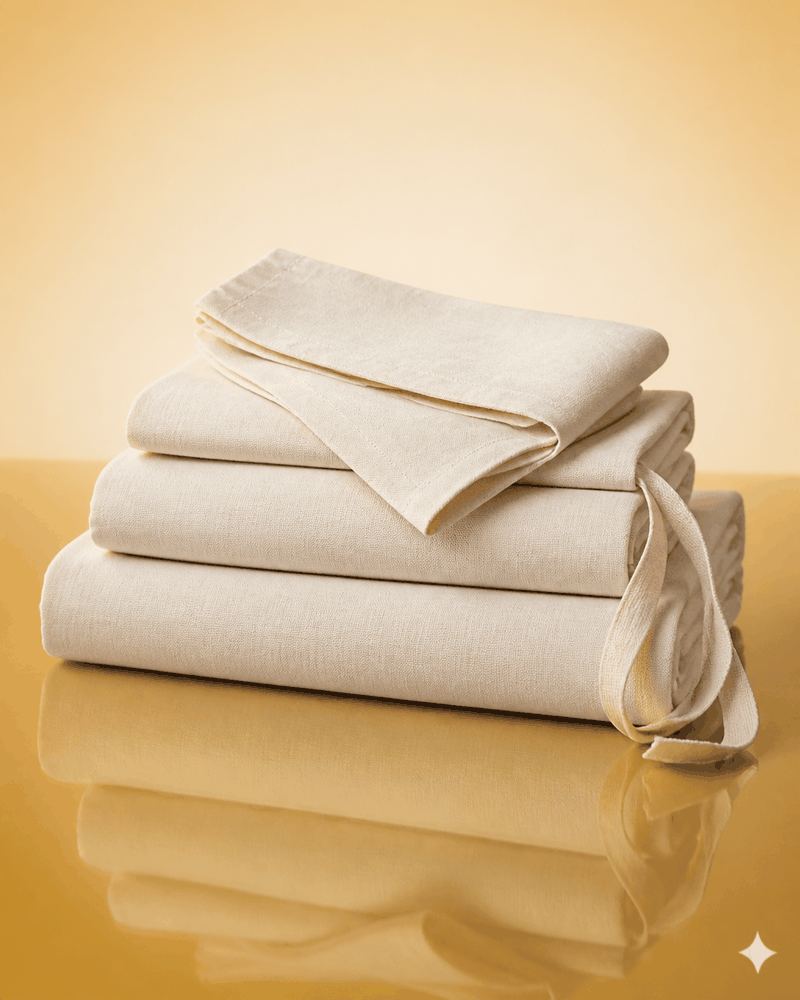
- Choose Natural Bedding — Swap polyester sheets and synthetic duvets for 100% organic cotton, linen, or bamboo. Natural fibres breathe better and don't shed microplastic fibres onto your skin while you sleep.
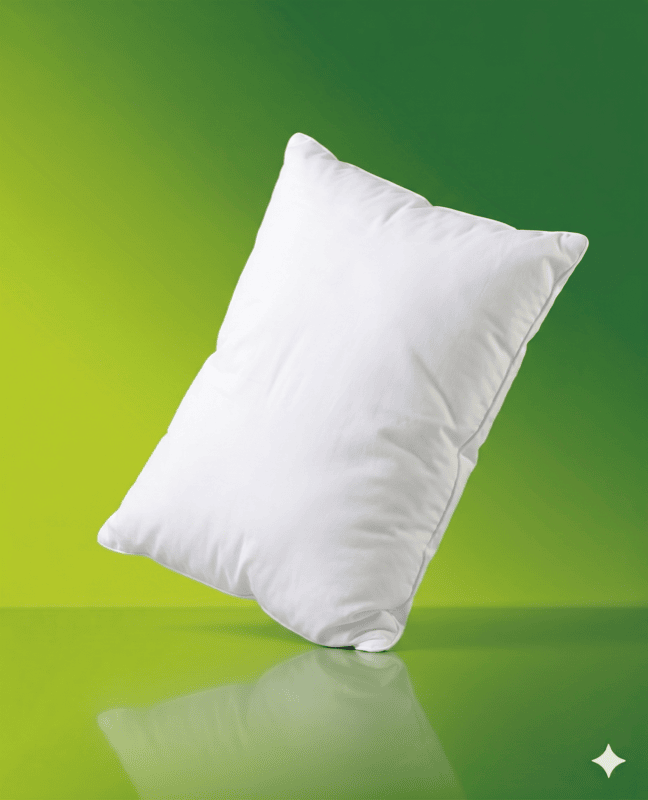
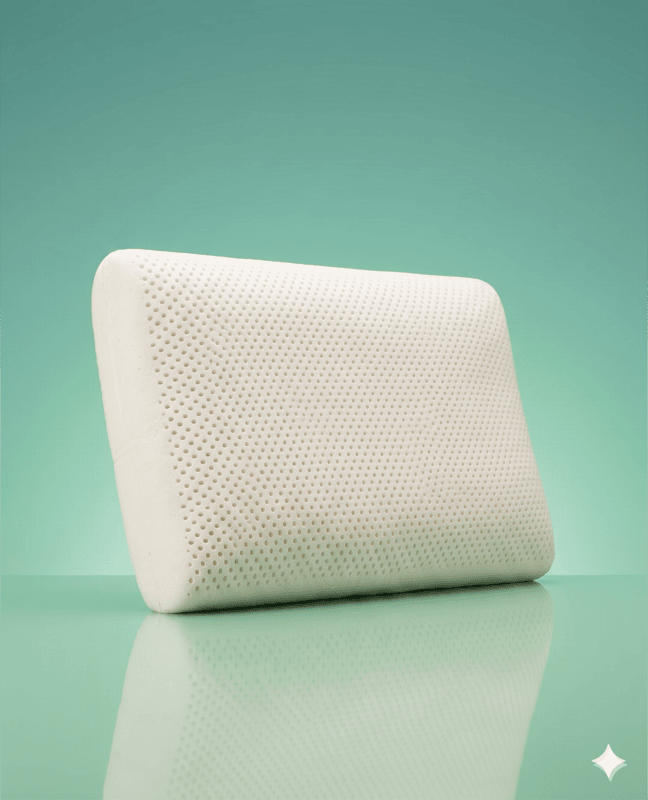
- Upgrade Your Pillow — Replace memory foam or polyester-fill pillows with natural latex, organic buckwheat, or kapok alternatives that won't off-gas volatile chemicals near your face all night.
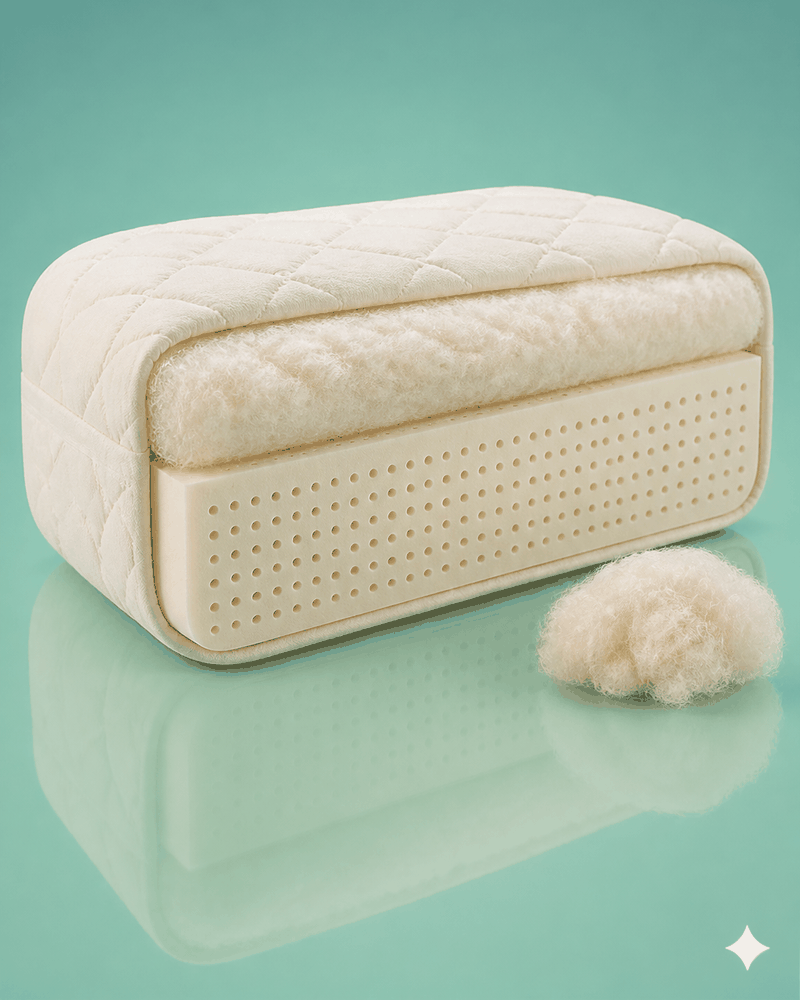
- Invest in a Non-Toxic Mattress — Transition to a mattress made of natural latex, organic wool, or cotton to avoid the flame retardants and VOCs found in conventional polyurethane foam.
- Build a Natural Wardrobe — When replacing clothes, choose organic cotton, hemp, silk, or wool instead of polyester, acrylic, or nylon — fabrics that shed thousands of microplastic fibres per wash.
- Ditch Plastic Garment Bags — Replace thin plastic dry-cleaning bags with reusable cotton or canvas garment bags that protect your clothes without leaching chemicals onto them.
- Swap Plastic Storage Bins — Under-bed plastic bins and wardrobe organisers can emit phthalates into the enclosed space. Switch to wicker baskets, cotton organisers, or solid wood boxes instead.
- Wash Synthetics Mindfully — When washing synthetic fabrics, use a microfibre-catching laundry bag and a cool, short cycle to reduce the volume of plastic fibres released into waterways.
The worst offenders
Learn which bedroom products pose the highest risk.
Clothing
Synthetic Fabrics, Activewear, Undergarments
Polyester, acrylic, and nylon are plastic-based fabrics that sit in close contact with your skin for hours. Chemical additives — including plasticisers and dye fixatives — can be absorbed through skin, particularly during exercise when pores are open.
Bedding
Mattresses, Toppers, Pillows
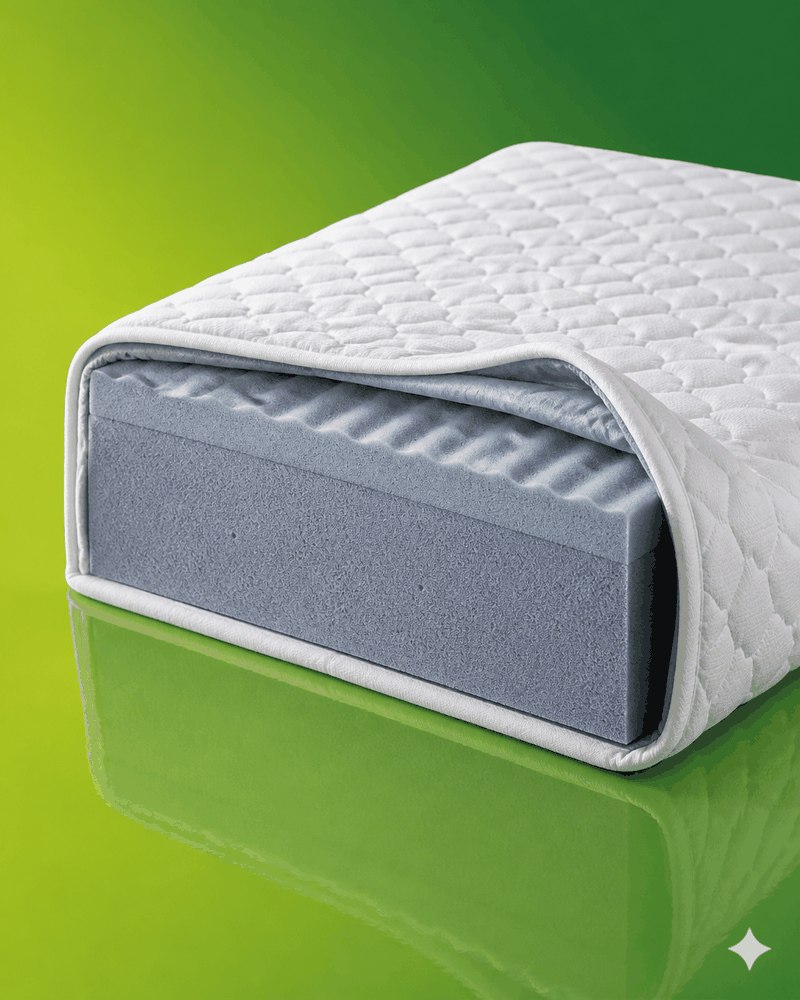
Most mattresses and toppers are made from polyurethane foam treated with halogenated flame retardants linked to thyroid disruption and neurological issues. You spend roughly a third of your life breathing in whatever these materials release.
Storage
Plastic Bins, Closet Containers
Under-bed plastic bins and wardrobe organisers emit phthalates and other chemicals into the enclosed space, which are then absorbed by stored clothing. Over time, these plastics degrade and shed microplastic dust into your bedroom air.
Labels
Not all labels mean what you think they mean.

Moisture-Wicking
Usually indicates synthetic plastics such as polyester or nylon, often treated with chemical finishes that can transfer to skin through sweat — particularly during exercise.

Synthetic Blends
"Poly-cotton" or "spandex" blends contain plastic fibres that prevent biodegradability and shed microplastics in every wash. Even a small synthetic percentage creates lasting environmental impact.

Memory Foam
A petroleum-based material that can off-gas volatile organic compounds — including formaldehyde and benzene — for years after purchase. These fumes accumulate in an enclosed bedroom overnight.