
Food Basics
Plastic contaminates our food long before it reaches our kitchens — from farming and processing to packaging, cooking, and storing.
Top tips.
Microwaving food in plastic containers can release up to 4 million microplastic particles into a single serving. These swaps are among the fastest ways to cut your daily exposure.
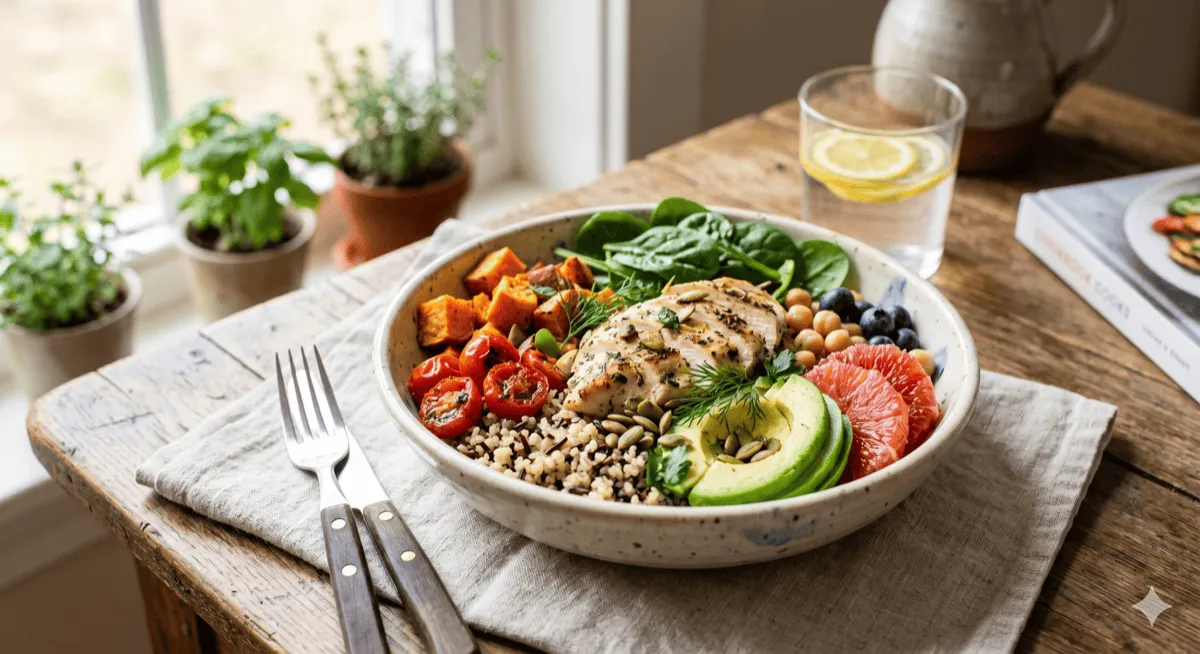
- Use Glass or Ceramic to Heat Food — Heat causes plastic to release microplastics and chemical additives directly into whatever you're eating — even containers labelled "microwave safe." Switch to glass or ceramic dishes for any reheating.
- Decant Your Takeaway Immediately — Transfer hot soups, noodles, curries, and sauces into a glass or ceramic bowl as soon as you get home. Heat combined with liquid is the perfect condition for phthalates and BPA-type chemicals to leach from disposable containers into your food.
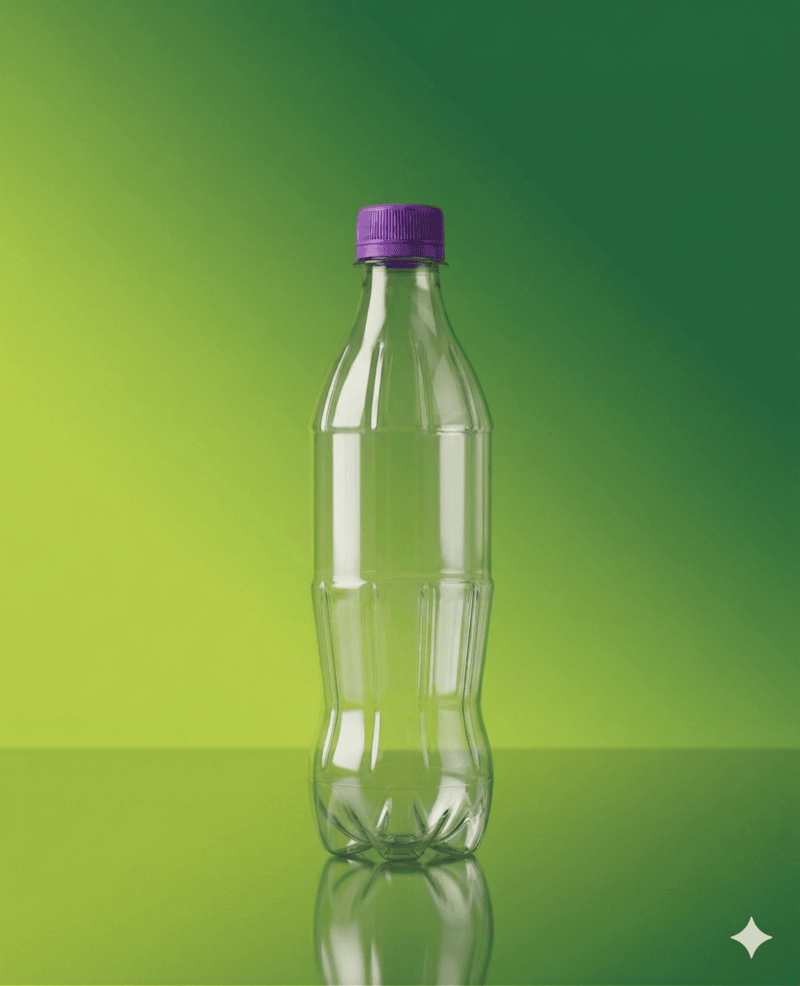
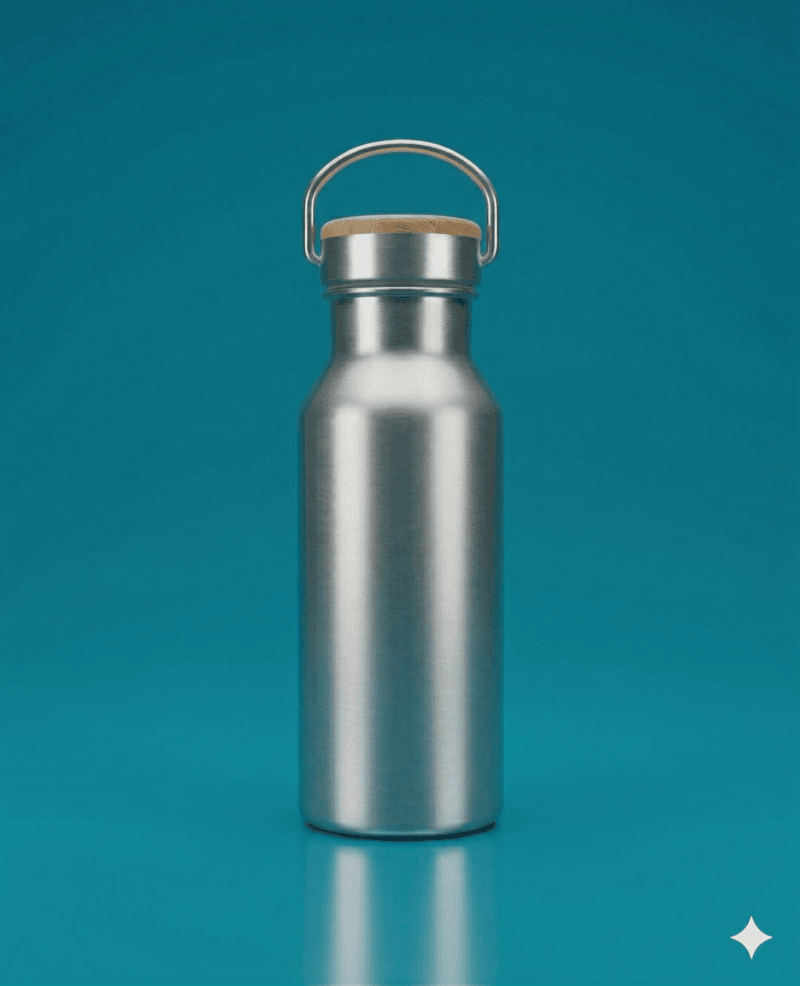
- Switch to a Reusable Bottle — Bottled beverages can contain tens of thousands to millions of microplastic particles per litre — more after prolonged storage or heat exposure. A stainless steel or glass bottle eliminates this entirely.
- Choose Fresh or Frozen Over Canned — Most cans are lined with plastic resins that can leach BPA, BPS, or similar hormone-disrupting chemicals — especially into acidic or fatty foods like tomatoes, soups, and beans. Fresh or frozen avoids the lining altogether.
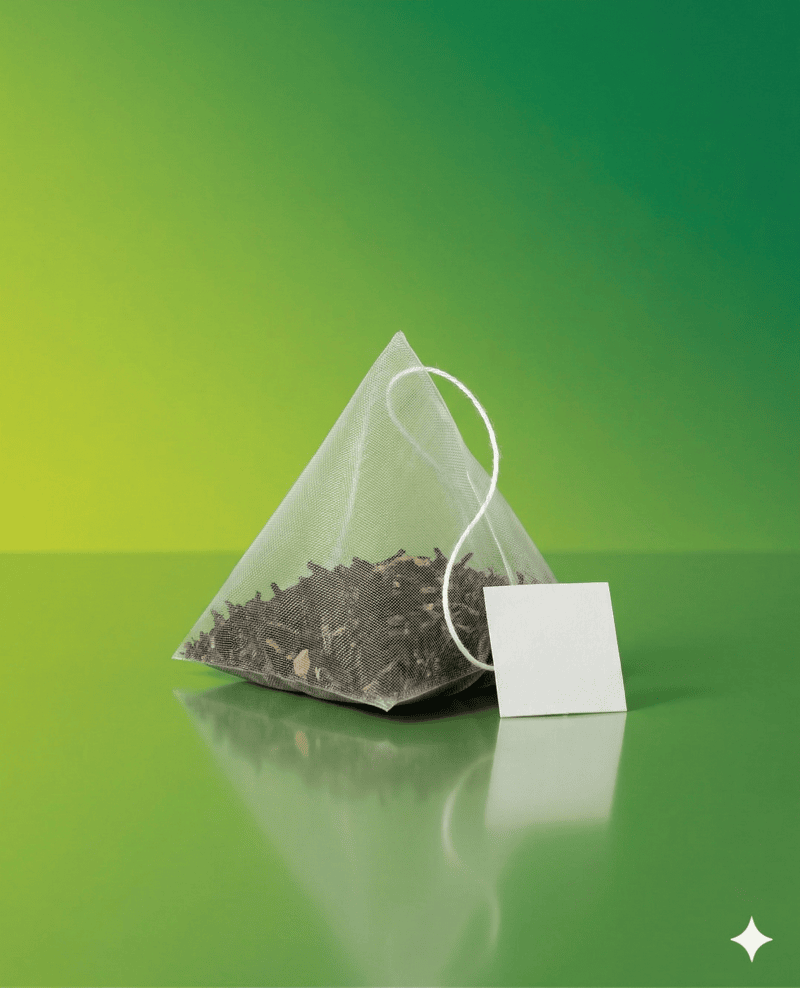
- Go Loose-Leaf or Plastic-Free Tea Bags — Some conventional tea bags contain plastic mesh or sealing fibres. A single bag steeped in hot water can release billions of micro- and nanoplastic particles into your cup. Loose-leaf tea with a stainless steel infuser removes the risk entirely.
- Make Popcorn on the Hob — Microwave popcorn bags are often lined with PFAS "forever chemicals" that migrate into the food when heated. A pot, a lid, and a handful of kernels gives you the same result — with zero PFAS or plastic exposure.
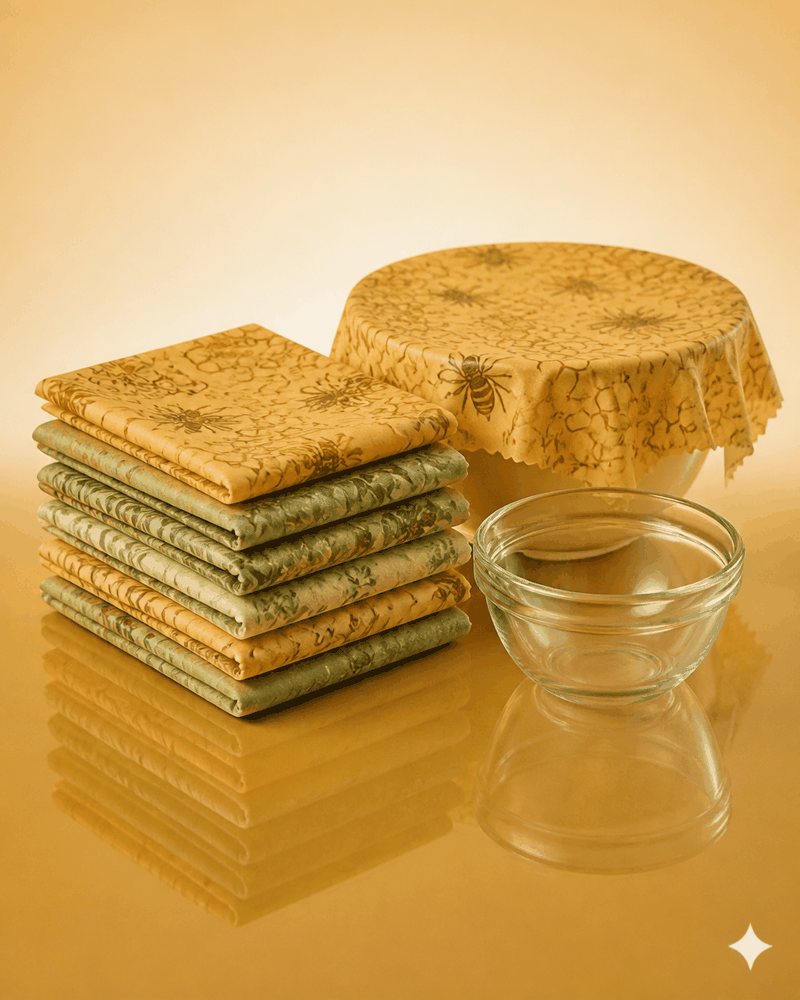
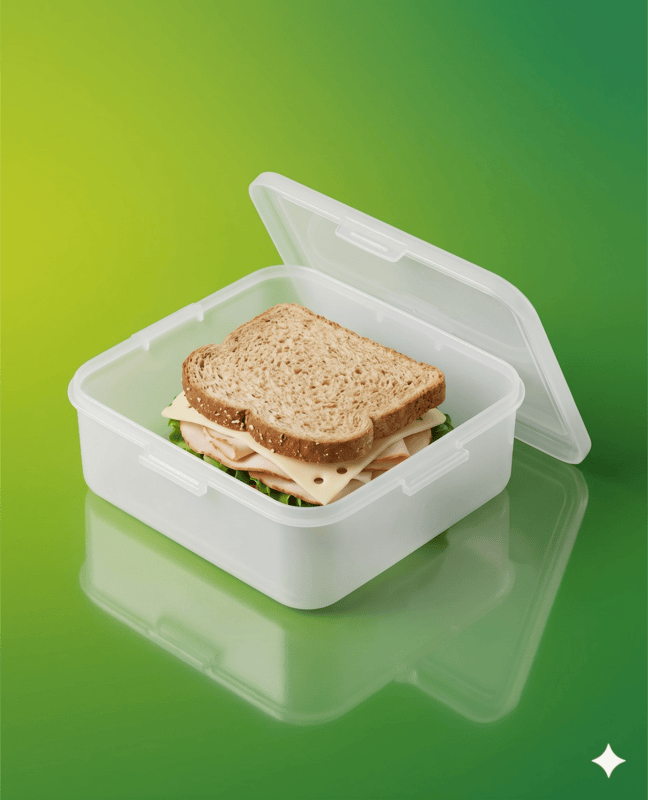
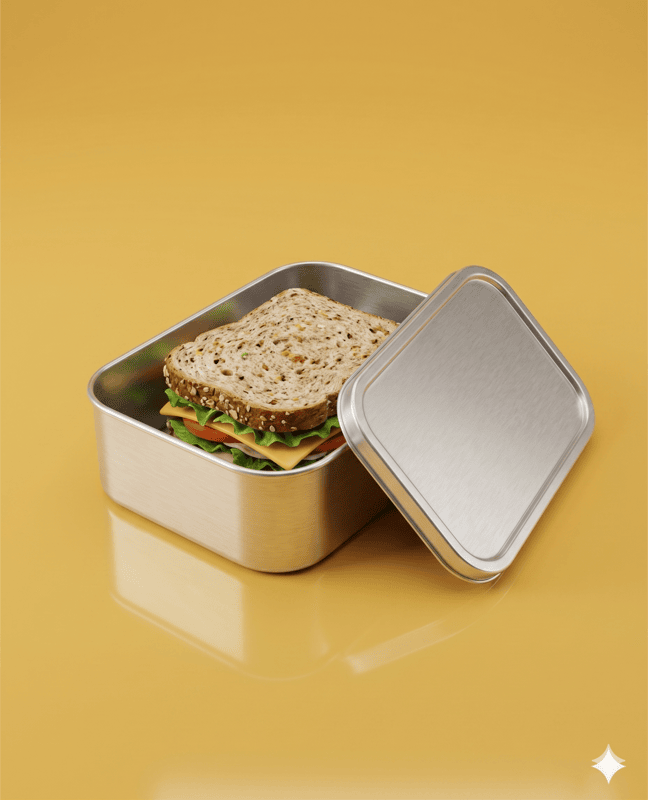
Find your alternatives.
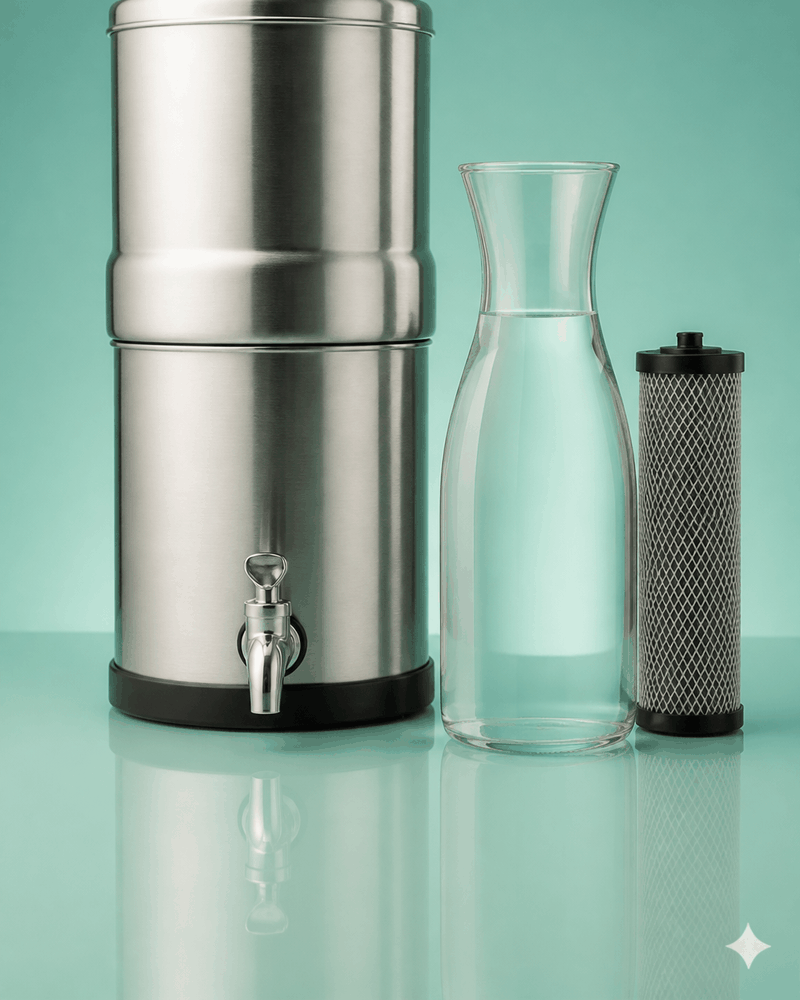
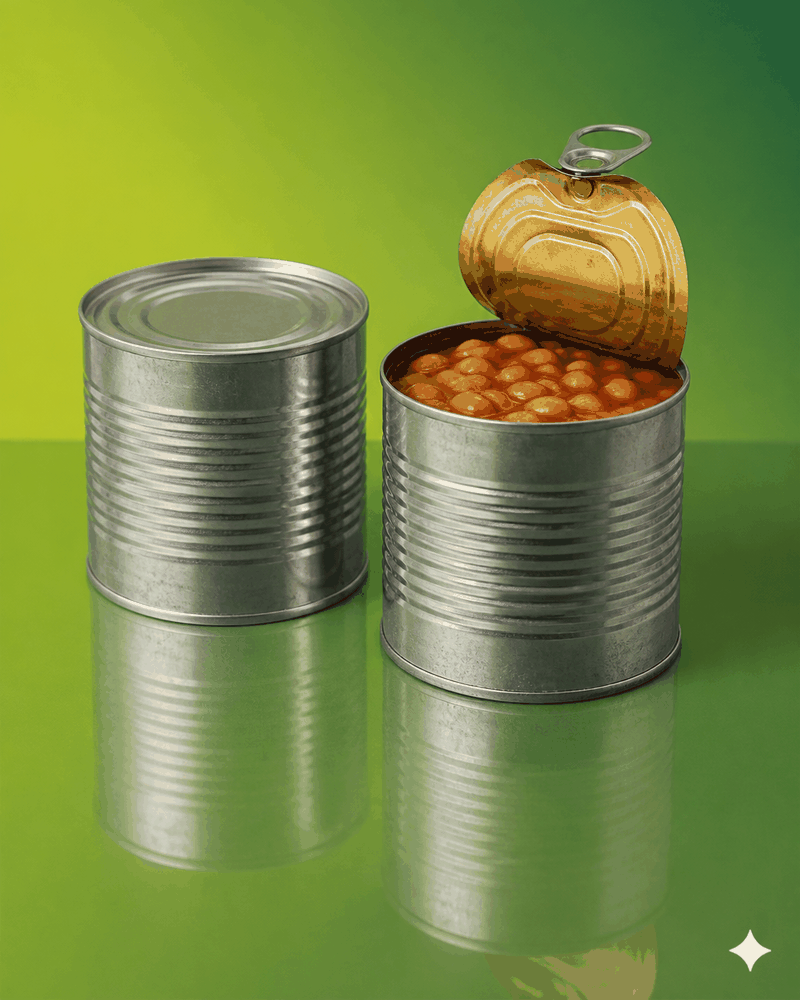
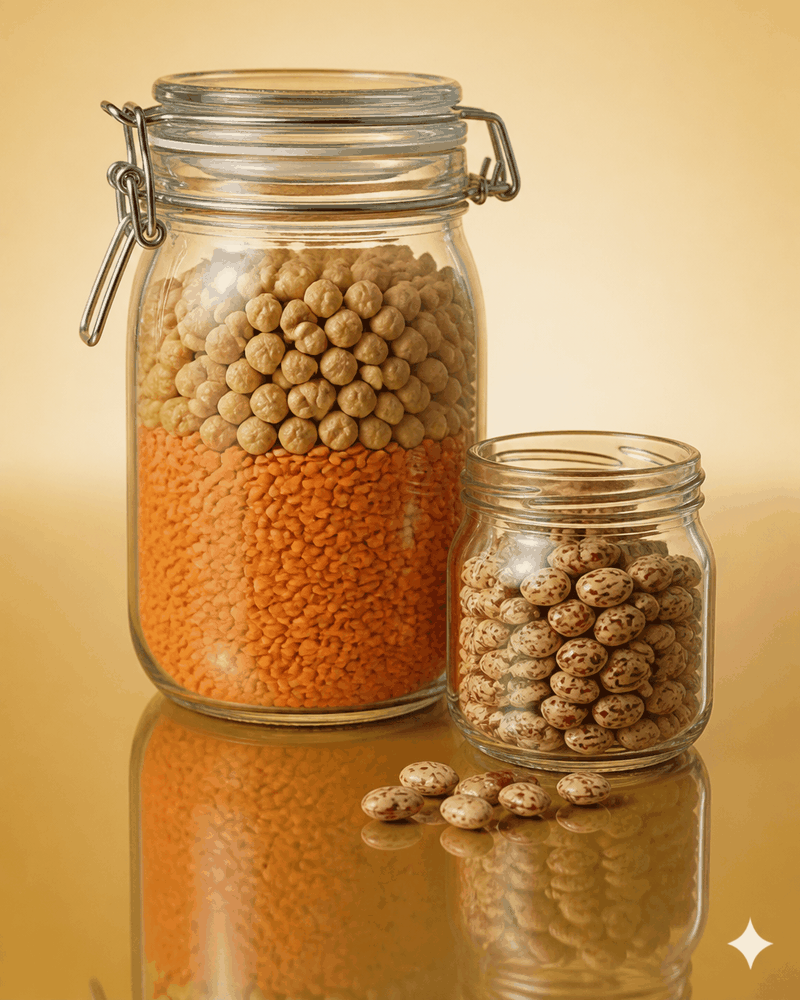
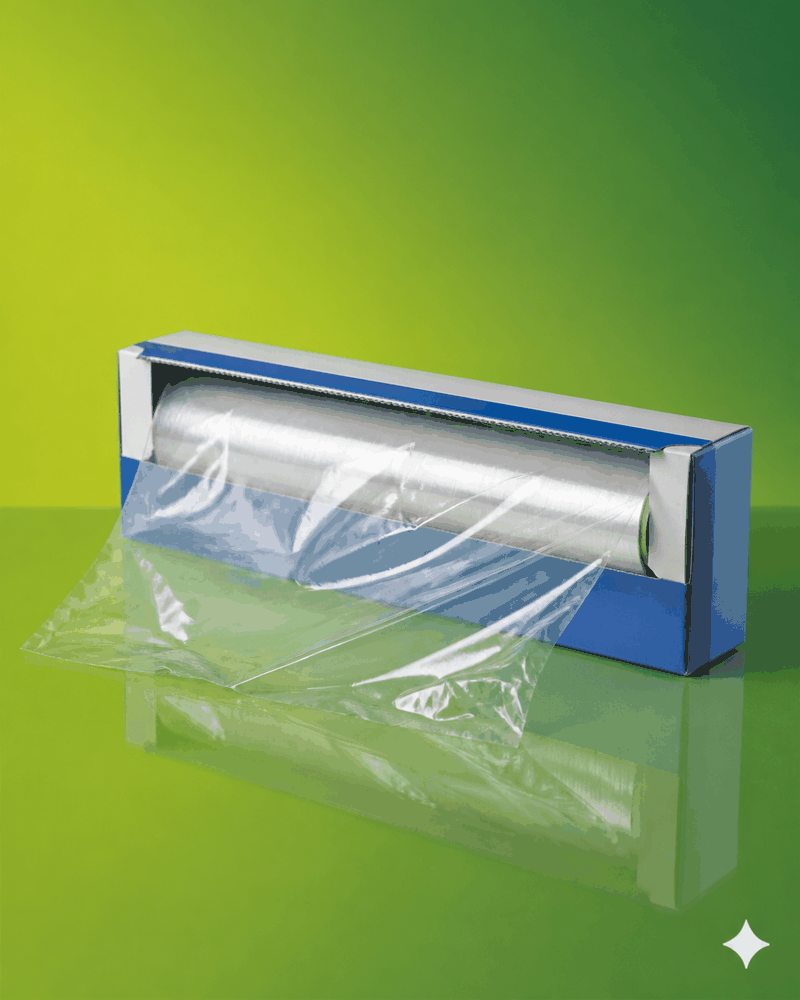
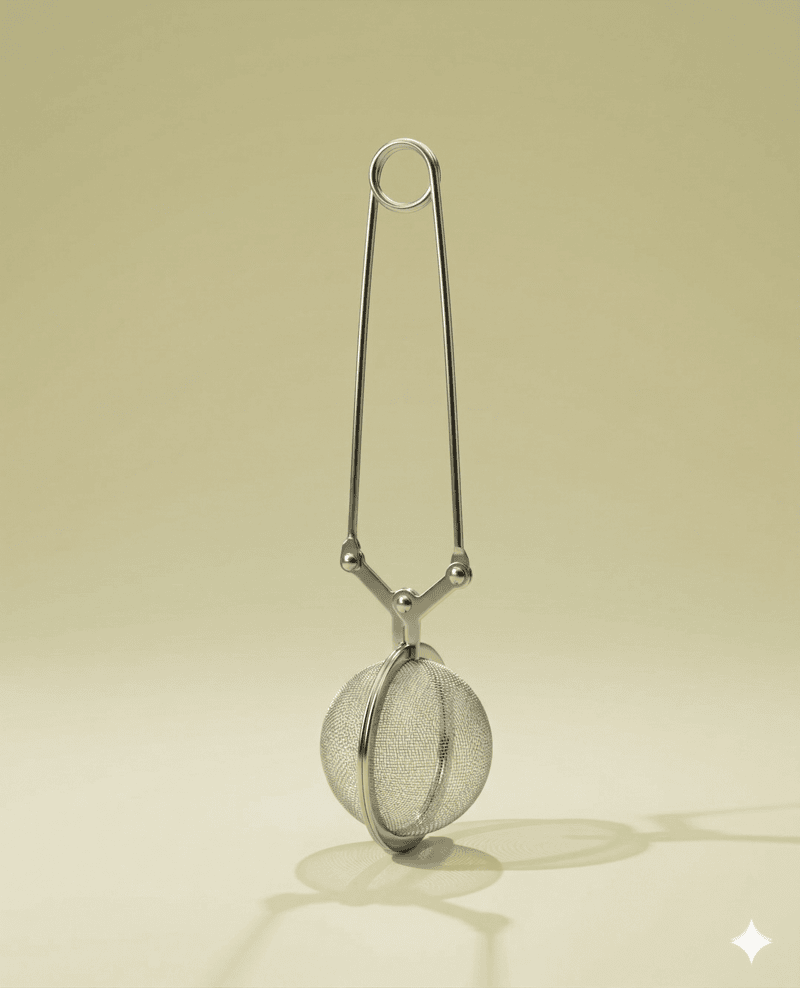
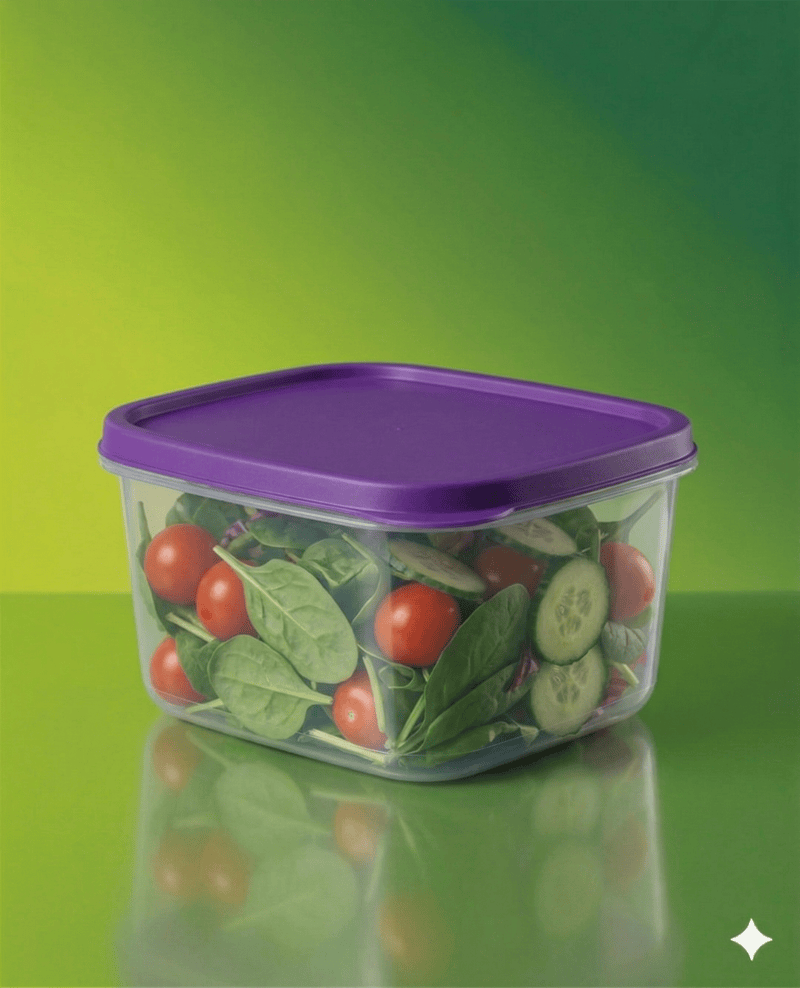
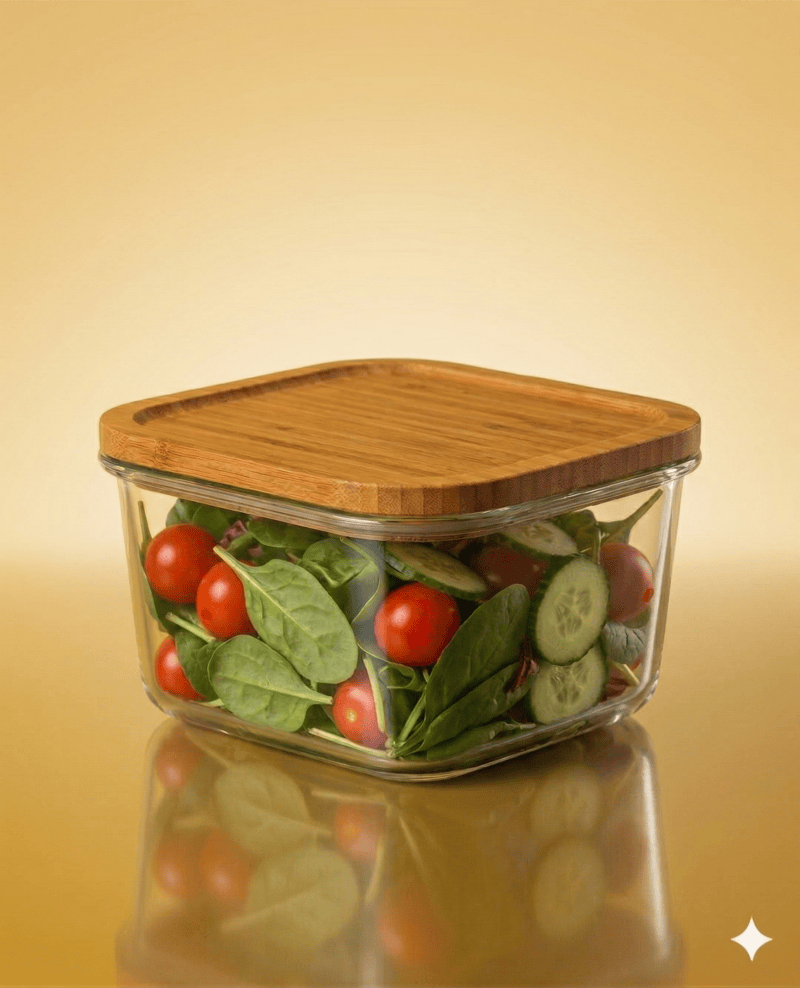
7 products|See all alternatives
The worst offenders
Learn which food products and habits expose you to the most plastic chemicals.
Takeaway Containers
Hot Meals, Leftovers
Heat combined with liquid creates a perfect storm for plastic leaching. Soups, noodles, and hot meals served in plastic containers release phthalates, BPA-type chemicals, and microplastics directly into the food. Reheating food inside a takeaway or plastic container significantly increases that exposure — yet it's one of the most common habits in most households.
Ultra-Processed Food
Snacks, Ready Meals, Deli Items
Crisps, crackers, biscuits, and energy bars are heavily exposed to plastics throughout processing. Fat acts like a sponge for plastic chemicals — so deli cheese and other fatty foods stored or wrapped in plastic can accumulate particularly high levels of phthalates. Microwave popcorn bags coated with PFAS compound the problem further when heat drives those chemicals straight into the food.
Beverage Containers
Plastic Bottles, Canned Drinks
A single litre of bottled water can contain hundreds of thousands of microscopic plastic particles. Heat and extended storage accelerate shedding, and the caps and inner linings of bottles and cans add further plastic exposure with every sip. Switching to a reusable glass or stainless steel bottle is one of the single highest-impact changes you can make.
Canned Foods
Soups, Sauces, Vegetables, Fruit
Most food cans are lined with plastic resins to prevent corrosion. These linings can leach BPA, BPS, or structurally similar chemicals — particularly into acidic or fatty foods like tomatoes, soups, and tinned fish. The heat used during the canning process increases chemical migration even before the product reaches a shelf.
Hot Beverages
Coffee Pods, Tea Bags, Disposable Cups
Plastic mesh tea bags can release billions of micro- and nanoplastic particles into a single cup of hot tea. Hot, acidic coffee accelerates leaching from plastic pod casings. Most disposable paper cups are lined with polyethylene plastic to prevent leaks — meaning every hot drink served in one comes with a side of microplastics.
Labels
These common claims on food packaging and kitchenware deserve a second look.

BPA / BPS / BPF
Hormone-disrupting chemicals found in can linings, jar lids, and plastic containers. BPS and BPF are increasingly used as "BPA-free" replacements — but carry comparable health concerns to the chemical they replaced.
Microwave Safe
Means only that the container won't melt or warp in a microwave — not that it won't release chemicals into your food. Heat dramatically accelerates the leaching of microplastics and additives from any plastic container.

PFAS ("Forever Chemicals")
Found in greaseproof food packaging, non-stick coatings, and microwave popcorn bags. These chemicals migrate into food when heated, accumulate in the body over time, and are linked to immune suppression, hormone disruption, and increased cancer risk.