
Bathroom
The bathroom is a hidden hotspot for chemical exposure — through skin absorption, plastic packaging, and synthetic fragrances in everyday personal care.
Top tips.
Your skin is your body's largest organ. Small swaps in the bathroom can dramatically reduce the chemicals it absorbs every day.
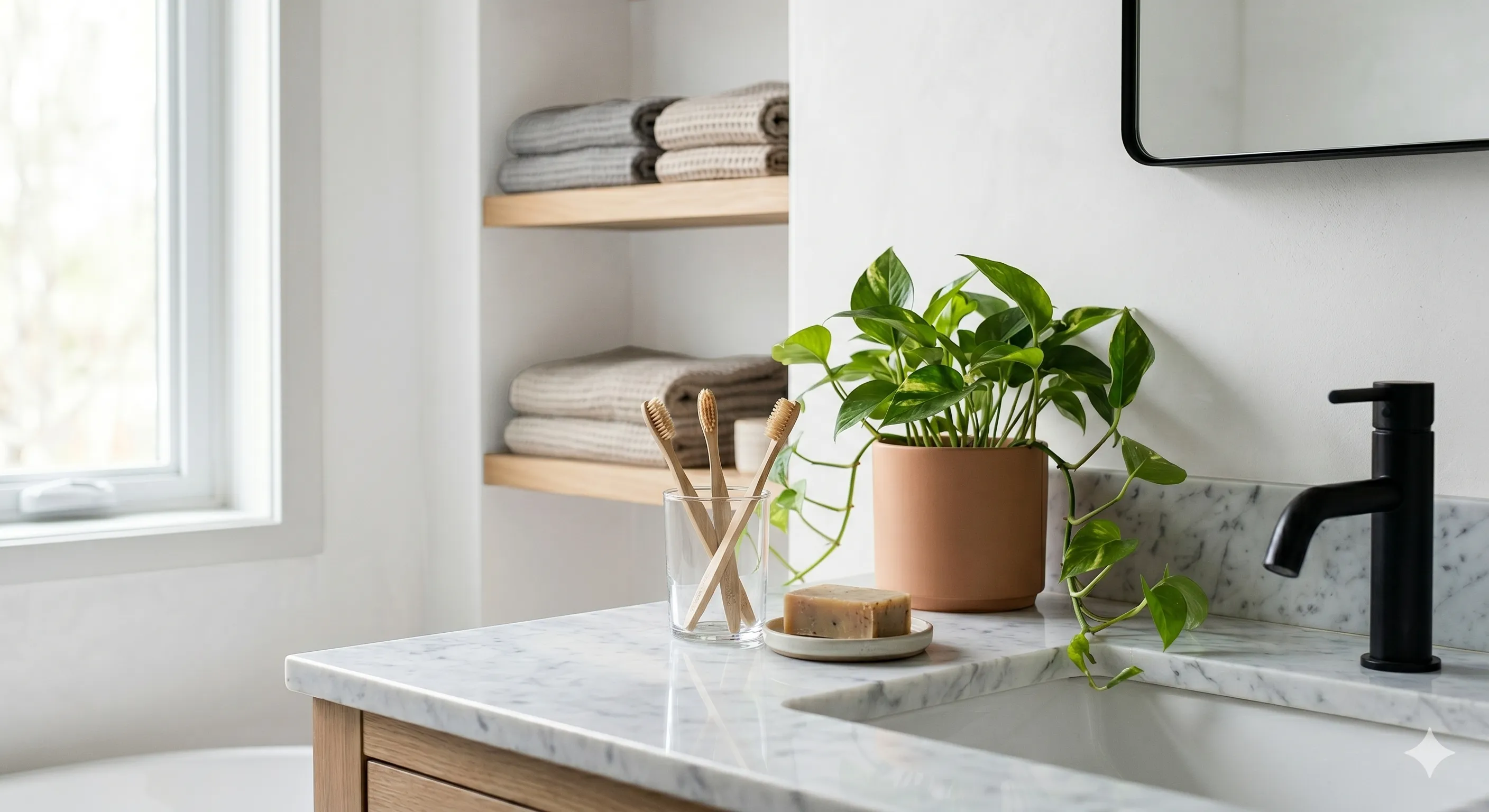
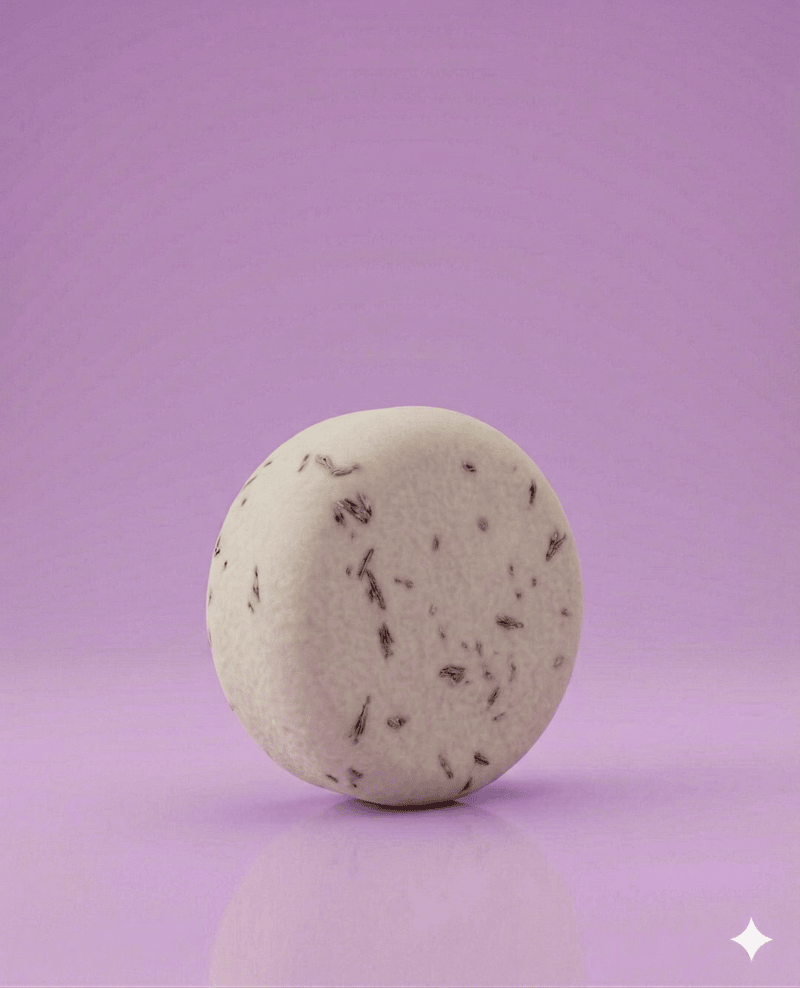
- Switch to Solid Bars — Replace bottled body washes and shampoos with bar soaps and sulfate-free alternatives made from clean, naturally-derived ingredients. Less plastic, fewer additives, longer-lasting.
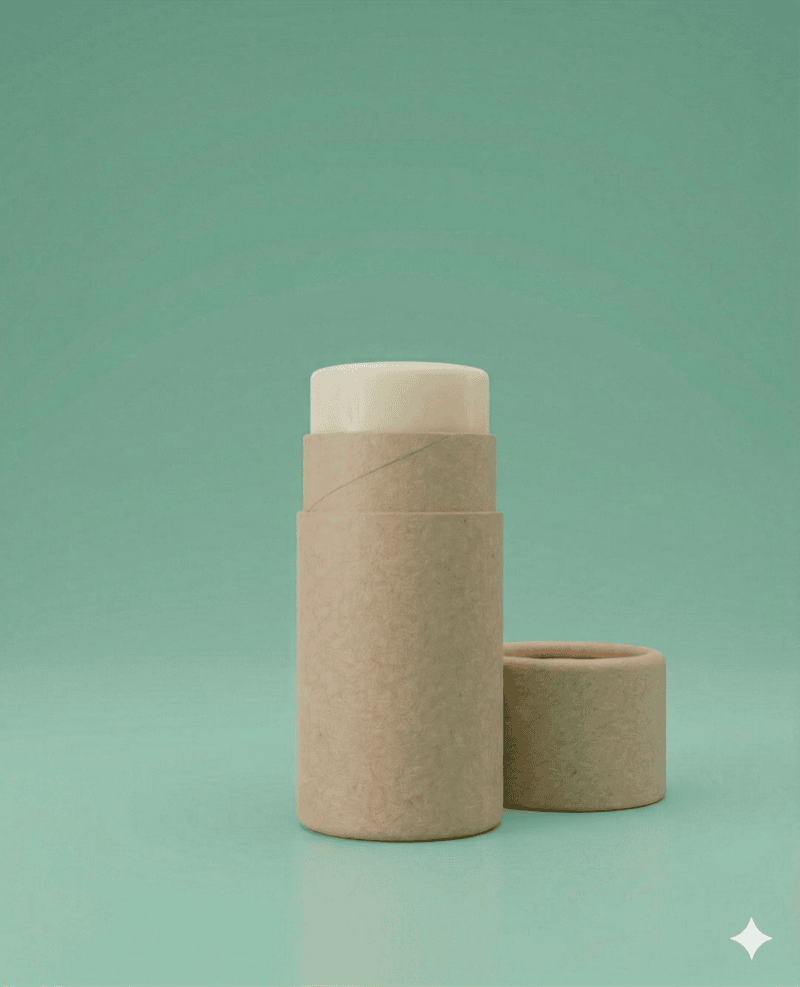
- Pick Plastic-Free Packaging — Choose 100% natural deodorants, lotions, and personal care essentials packaged in compostable tubes, aluminium tins, or glass jars rather than plastic bottles.
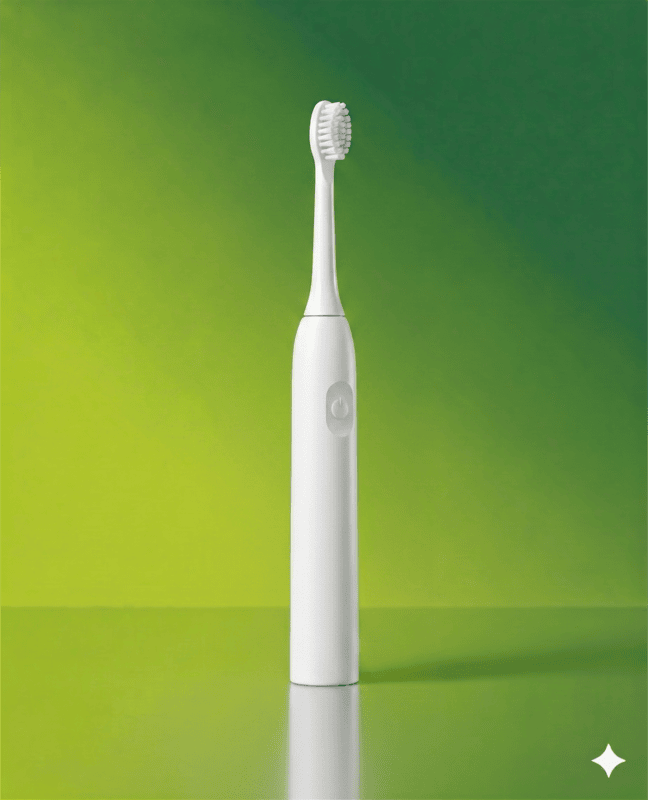
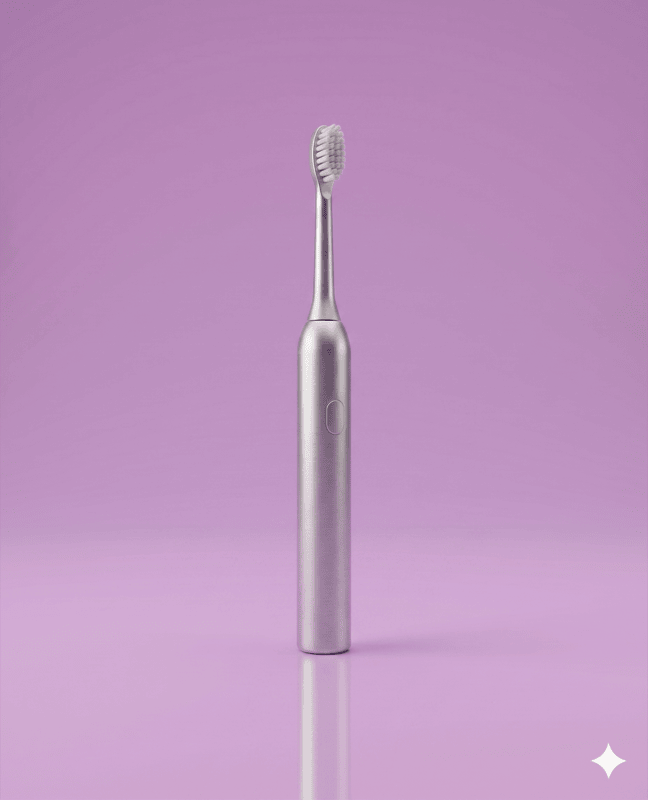
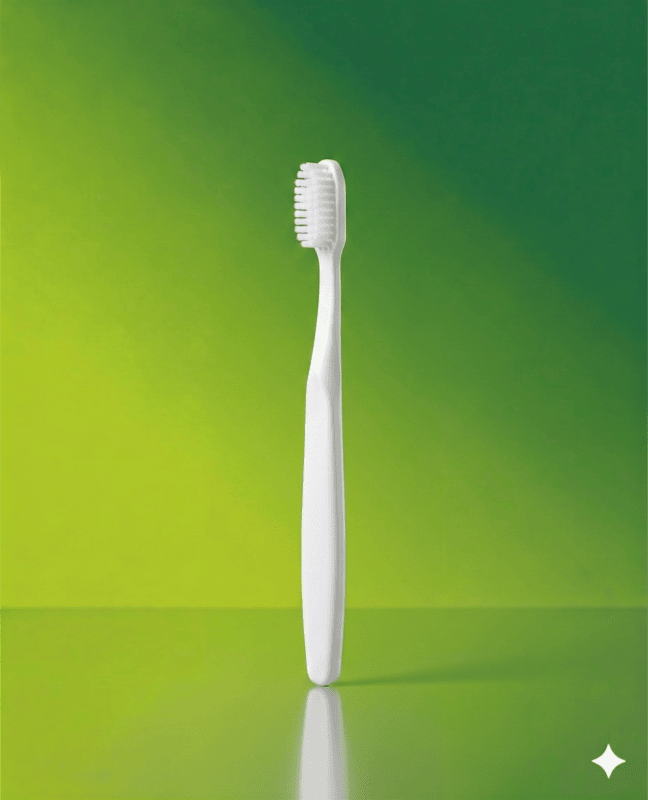
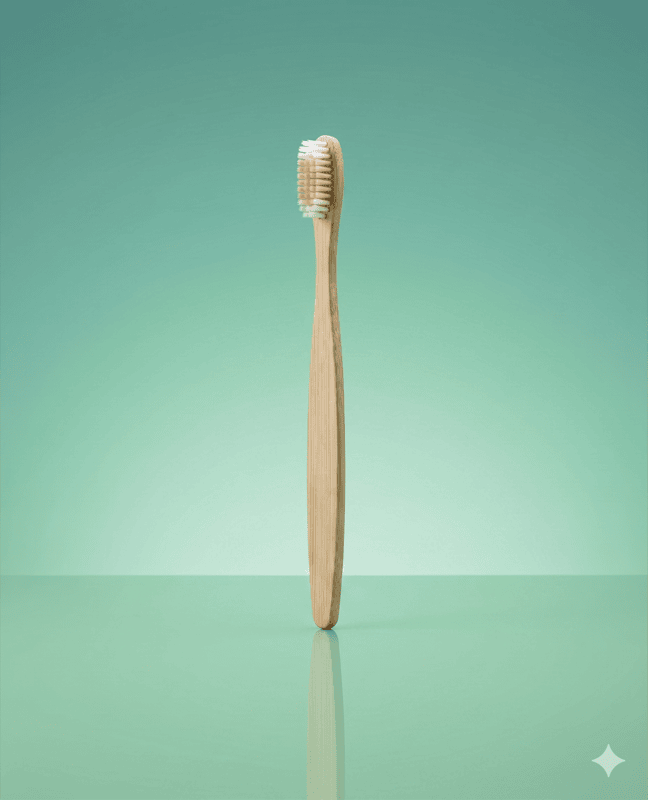
- Refine Your Oral Care — Trade plastic toothbrushes and waxed dental floss for bamboo-handled brushes and biodegradable silk or natural-fibre floss in glass containers, free from petrochemical coatings.
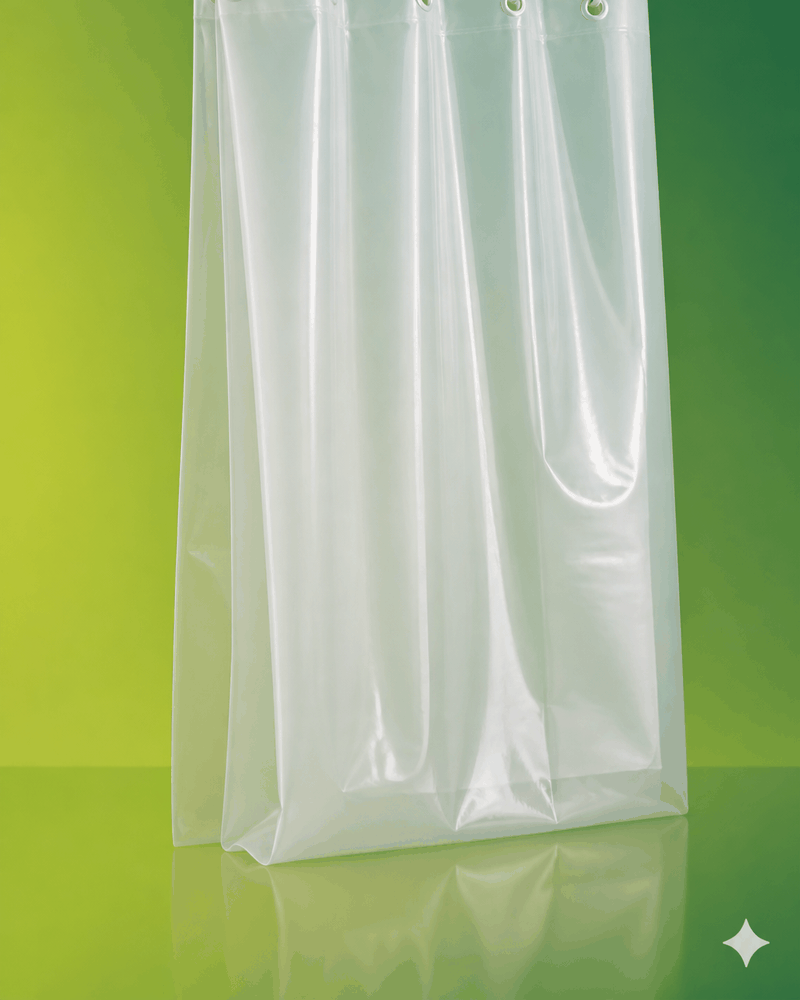
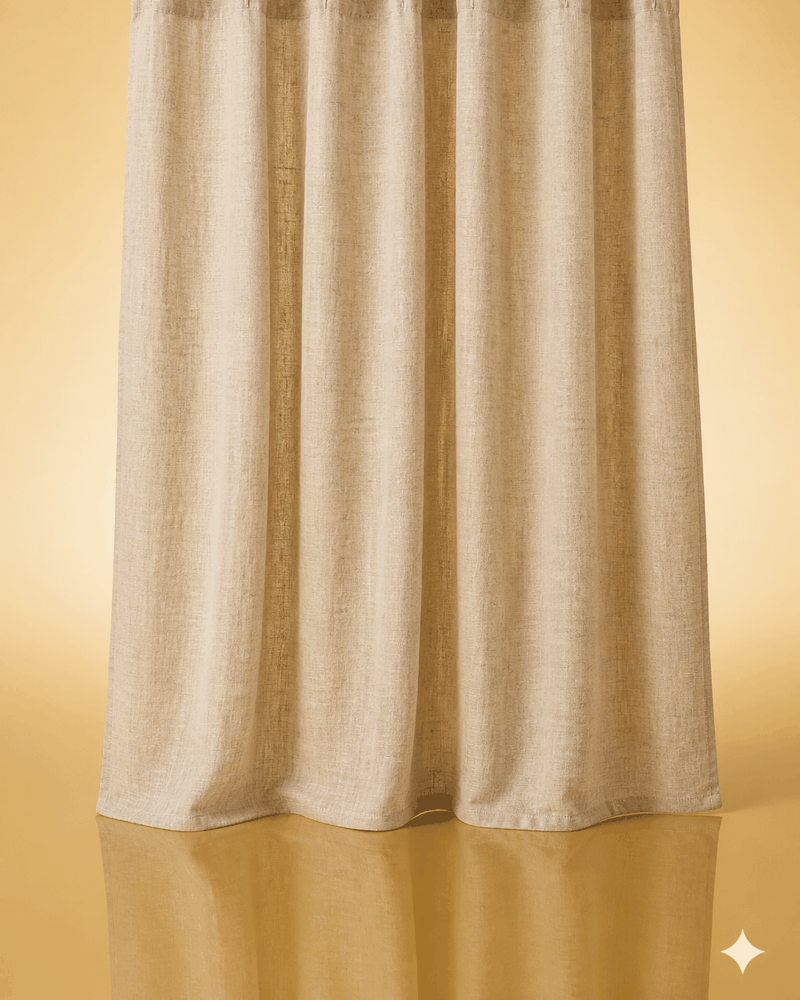
- Rethink the Shower Curtain — Swap vinyl (PVC) liners for organic cotton, hemp, or linen curtains to eliminate the off-gassing of phthalates and other toxic VOCs into your home.
- Lose the Plastic Loofah — Replace synthetic scrubbers with natural sea sponges, bamboo brushes, or organic cotton washcloths that exfoliate without shedding microplastics down the drain.
- Choose Natural Textiles — Pick bath mats and towels made from 100% organic cotton, linen, or hemp to cut down on synthetic microfibre shedding in your home and laundry water.
- Skip Disposable Wet Wipes — Most "flushable" wipes are made from plastic fibres. In 2025, flushed wipes formed a 180-tonne mass in the River Thames alone — reach for a reusable cotton washcloth instead.
The worst offenders
Learn which bathroom products carry the heaviest chemical load.
Skin Care
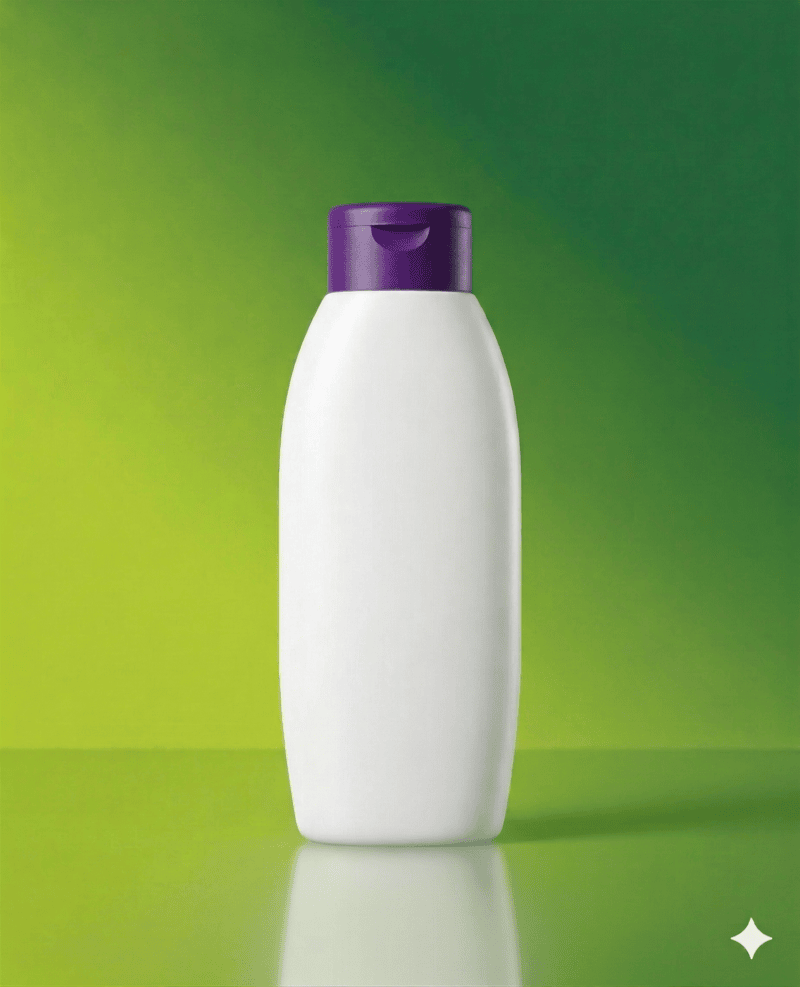
Hand Soap, Body Wash
Daily soaps and body washes are spread across large areas of skin, leading to sustained, full-body chemical exposure. Many list "fragrance" — a catch-all term that can hide undisclosed chemicals, including phthalates — and their plastic bottles can leach toxins into the liquids over time.
Personal Care
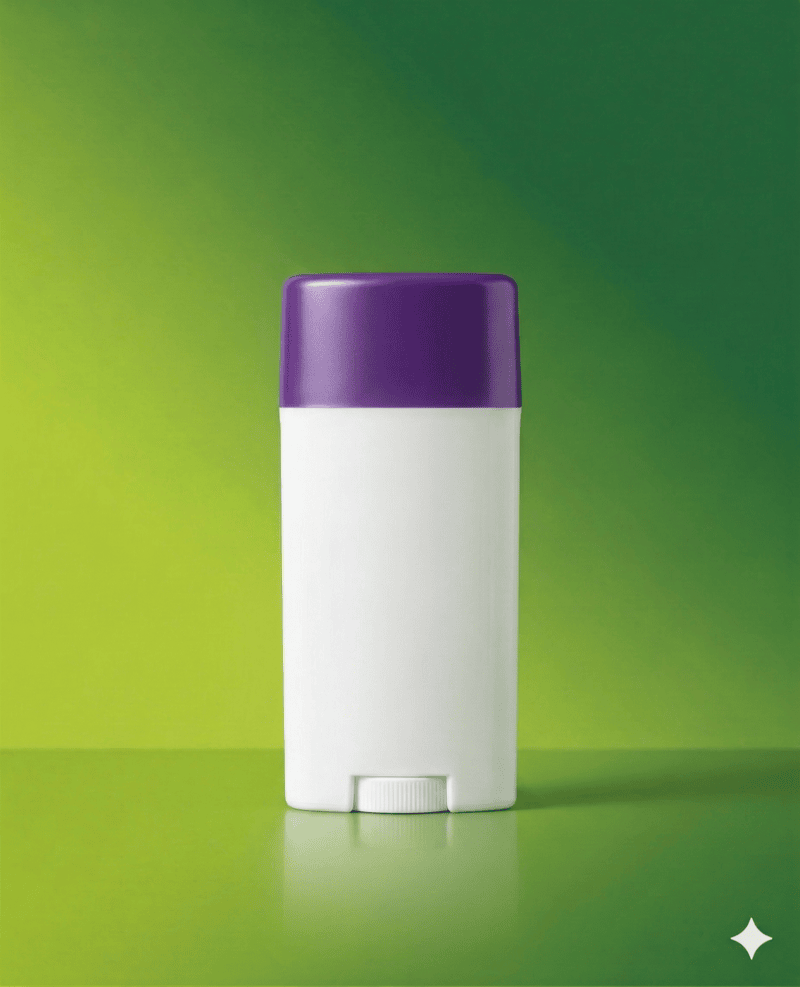
Deodorants, Antiperspirants
Applied every day to thin, highly absorbent underarm skin near the lymph nodes, deodorants and antiperspirants are a high-impact exposure source. Antiperspirants often contain aluminium salts, which have been linked to accumulation in breast tissue.
Hair Care
Shampoo, Conditioner
Most shampoos and conditioners blend synthetic surfactants, preservatives, and fragrances. Applied directly to the scalp and used several times a week, they create prolonged exposure to hormone-disrupting chemicals that build up over a lifetime.
Oral Care
Toothbrush, Toothpaste, Floss
Used daily — and often the most overlooked source of plastic exposure in the bathroom. Plastic toothbrushes and toothpaste tubes break down into microplastics, while conventional dental floss is typically coated in petrochemical waxes that pass directly through your mouth.
Labels
Watch out for these red flags on bathroom packaging.

Antibacterial
Often contains triclosan or similar additives that have been linked to hormone disruption and antibiotic resistance — with little proven benefit over plain soap and water.

PVC (Vinyl)
Common in shower curtains, bath toys, and packaging. PVC slowly off-gasses toxic VOCs and phthalates into the warm, humid air of your bathroom — and into your lungs.

Microbeads
Tiny plastic particles added to scrubs, toothpastes, and cleansers. They wash straight down the drain, pollute waterways, and ultimately make their way back into the food chain.