
Kid's Room
Children are uniquely vulnerable to the toxins hidden in everyday plastics — from the toys they cuddle to the bottles they drink from.
Top tips.
Infants can ingest up to 4 million microplastic particles per day from plastic bottles alone. These swaps make a real difference during the most critical window of development.
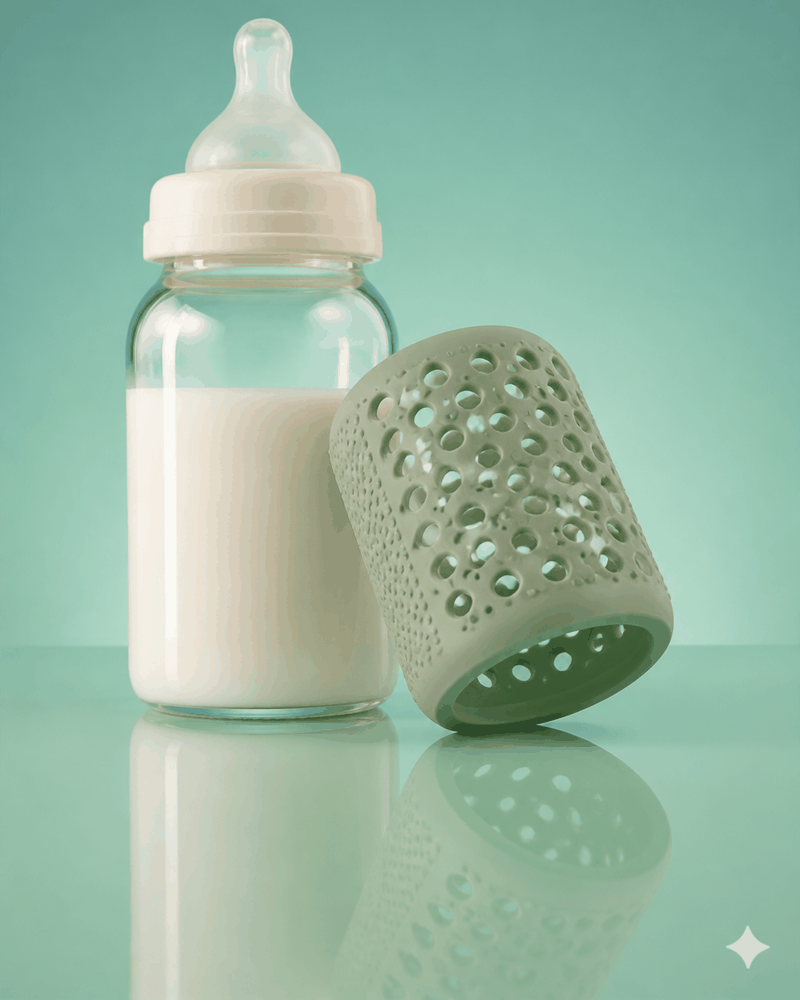
- Switch to Glass or Silicone Bottles — Replace plastic baby bottles with thermal-shock resistant glass or medical-grade silicone. Heating or sterilising plastic releases large amounts of microplastics and chemical additives directly into milk or formula.
- Choose Natural Play Materials — Swap soft plastic teethers and toys for natural rubber, FSC-certified wood, or organic cotton alternatives. These materials are safe for mouthing and free from the phthalates common in PVC toys.
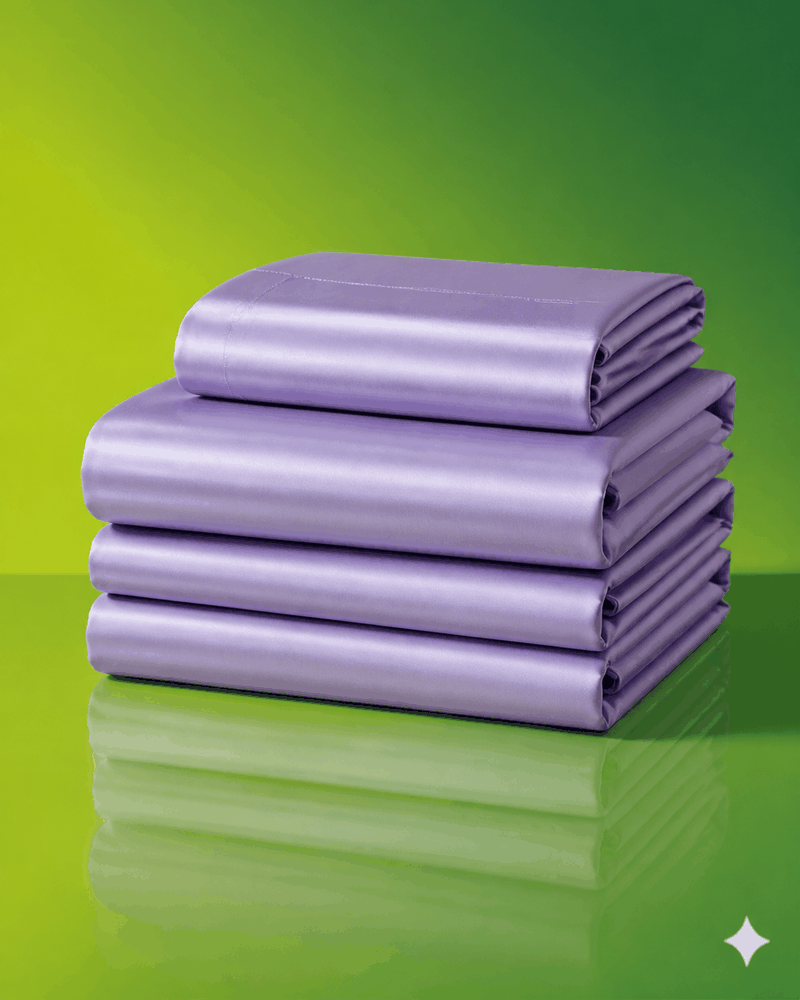
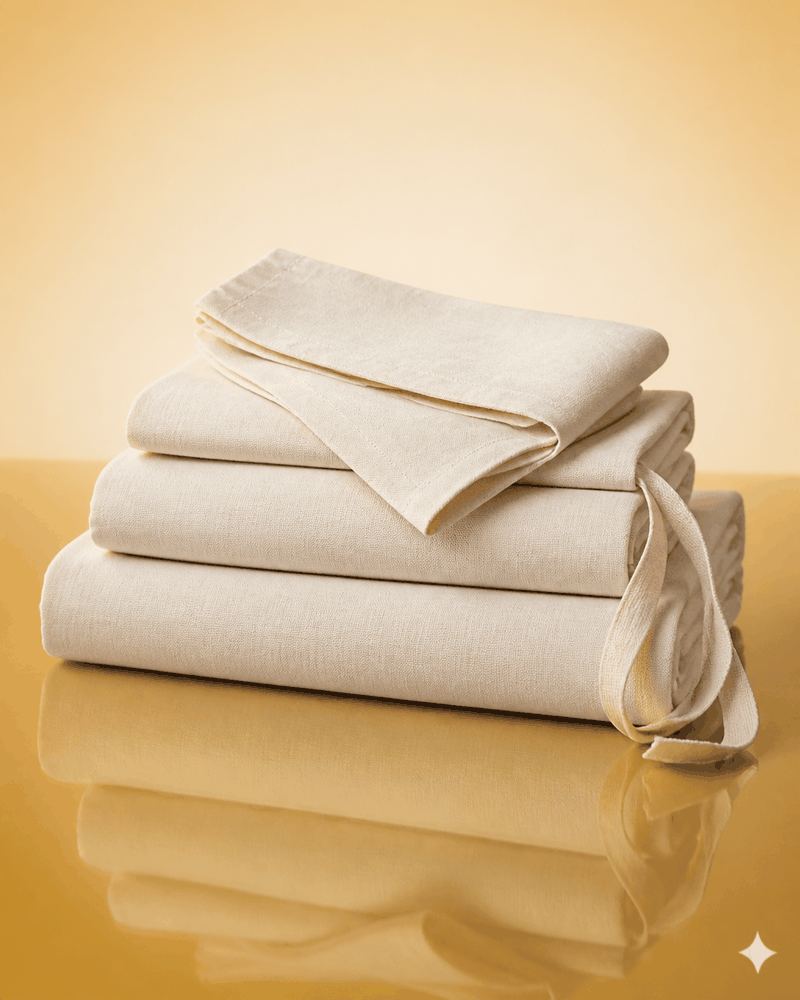
- Opt for Organic Textiles — Move away from synthetic polyester bedding, costumes, and stuffed animals towards 100% organic cotton, wool, or hemp. Natural fibres don't shed microplastic dust into the air your child breathes overnight.
- Upgrade the Play Surface — Replace foam puzzle mats (often made from EVA or PVC) with cork, natural rubber, or organic cotton play mats. Foam mats can off-gas formamide and other chemicals directly into a toddler's breathing zone at floor level.
- Choose Plastic-Free Nappies — Opt for cloth nappies or certified plastic-free disposables to reduce constant skin contact with synthetic liners and super-absorbent polymer gels that sit against your baby's skin all day.
- Ditch Vinyl Bibs and Accessories — Swap PVC bibs and changing mats for food-grade silicone or organic cotton versions. Vinyl is loaded with phthalates that can off-gas into the air and transfer to skin during prolonged contact.

The worst offenders
Learn which children's products carry the highest chemical risk.
Drinkware
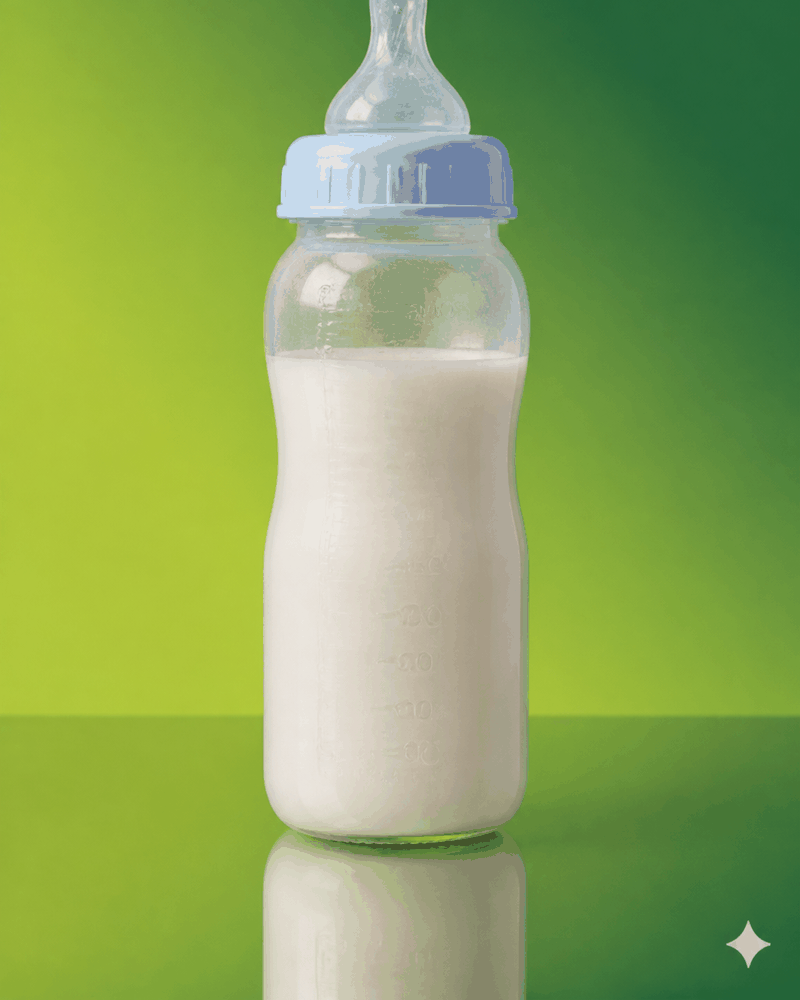
Bottles, Sippy Cups, Training Cups
Sippy and training cups made from hard polycarbonate or polypropylene degrade over time, leaching chemicals into juices and water. Repeated washing and sterilising — especially with hot water — accelerates plastic breakdown and increases the amount of microplastics and additives that end up in every feed.
Toys & Bibs
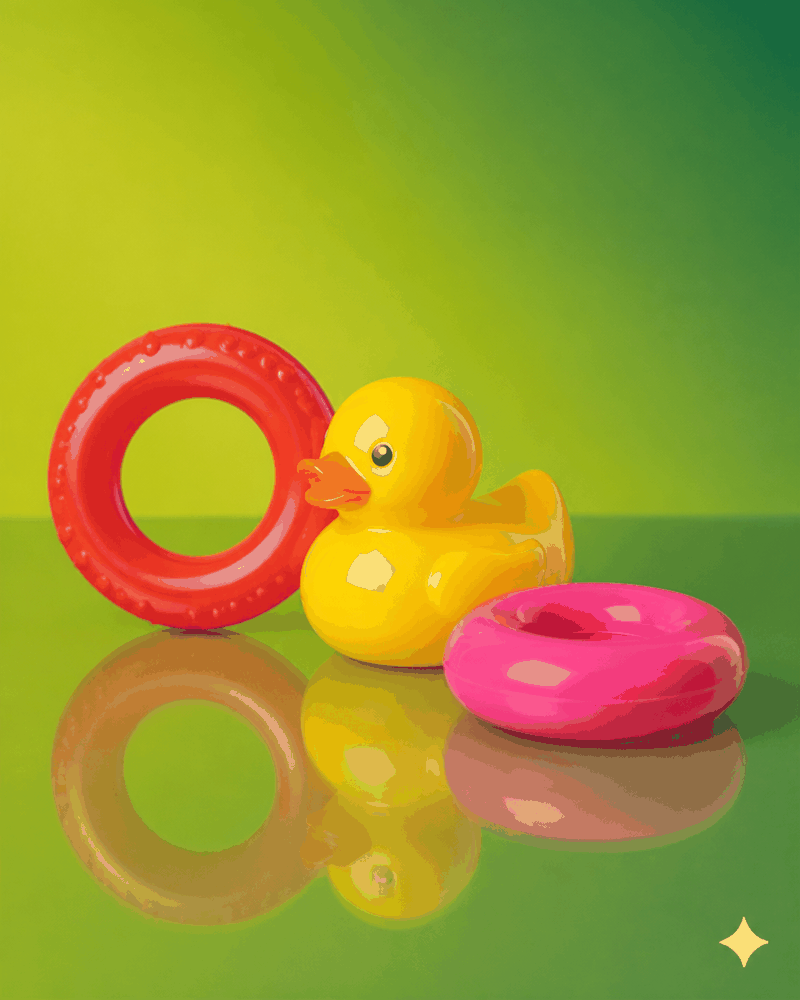
Bath Toys, Teething Rings, Wipe-Clean Bibs
Known as the "poison plastic," PVC is loaded with phthalates — plastic-softening chemicals linked to hormone disruption and developmental concerns. Soft vinyl teethers and chew toys release these additives during prolonged chewing. Waterproof bibs can off-gas phthalates into the air and onto skin throughout the day.
Stuffed Animals
Plush Toys, Soft Comfort Objects
Most plush toys are made from polyester and filled with plastic pellets, steadily shedding microplastic fibres that children inhale while sleeping. Many also carry flame retardant treatments and stain-resistant coatings that add another layer of chemical exposure — particularly when infants and toddlers mouth them throughout the night.
Play Surfaces
Foam Mats, Synthetic Rugs
Soft foam play mats often contain formamide or acetophenone — chemicals used in manufacturing that off-gas directly into a child's breathing zone at floor level. Made from EVA or PVC, these mats may carry additional plastic additives, and heat and wear over time only increase the rate of chemical release.
Baby Care
Disposable Wipes, Bath Soap, Lotion
Most disposable wipes are made from polyester or polypropylene fibres — non-biodegradable plastic cloths saturated with preservatives and synthetic fragrance that leave chemical residue on skin. Baby lotions and bath soaps may contain parabens and penetration enhancers that increase absorption through an infant's more permeable skin.
Labels
These common claims on children's products deserve extra scrutiny.

Anti-Microbial
Signals the presence of harsh chemical additives — such as triclosan — that can interfere with a child's developing immune system and contribute to antibiotic resistance.

Flame Retardant
Common in foam mattresses, pillows, and upholstered furniture. These chemical treatments are linked to developmental and neurological issues in children, who are more vulnerable due to their size and time spent close to treated surfaces.

BPA-Free
A misleading label that often masks the presence of BPS or BPF — structurally similar chemicals used as direct replacements that carry comparable hormone-disrupting concerns to the BPA they replaced.