
Beauty
Everything you put on your body ends up on your largest organ — and nine out of ten cosmetic products contain microplastics.
Top tips.
Nine out of ten cosmetic products contain microplastics. Switching to cleaner formulas and plastic-free packaging cuts your exposure before you've even left the house.
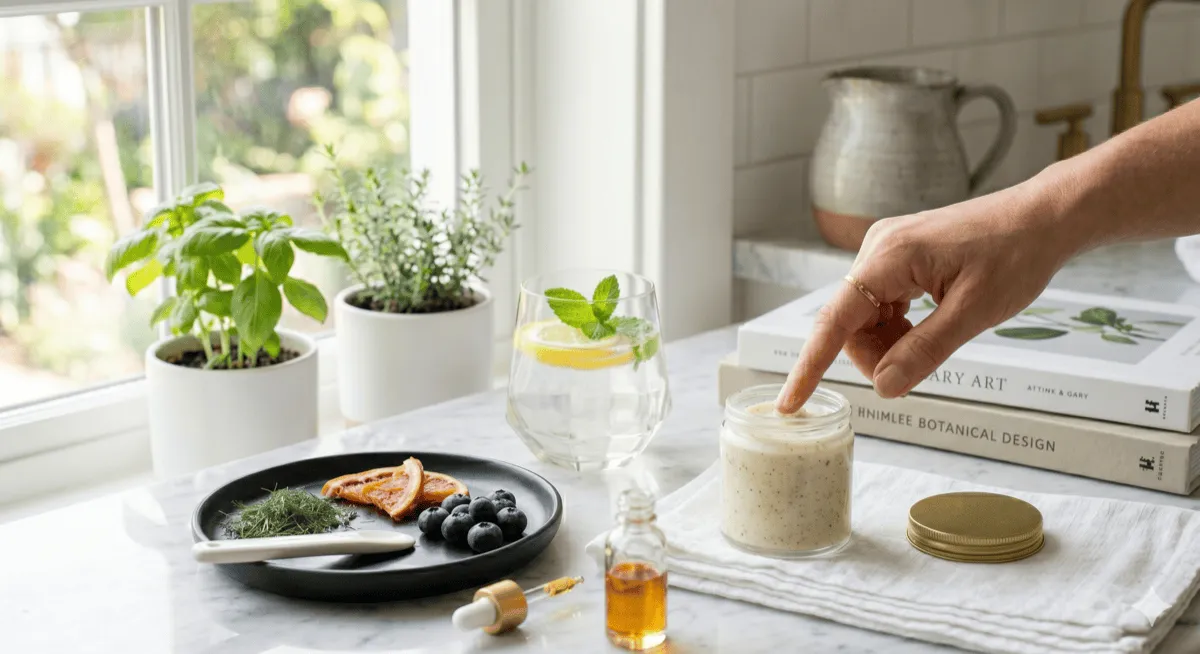
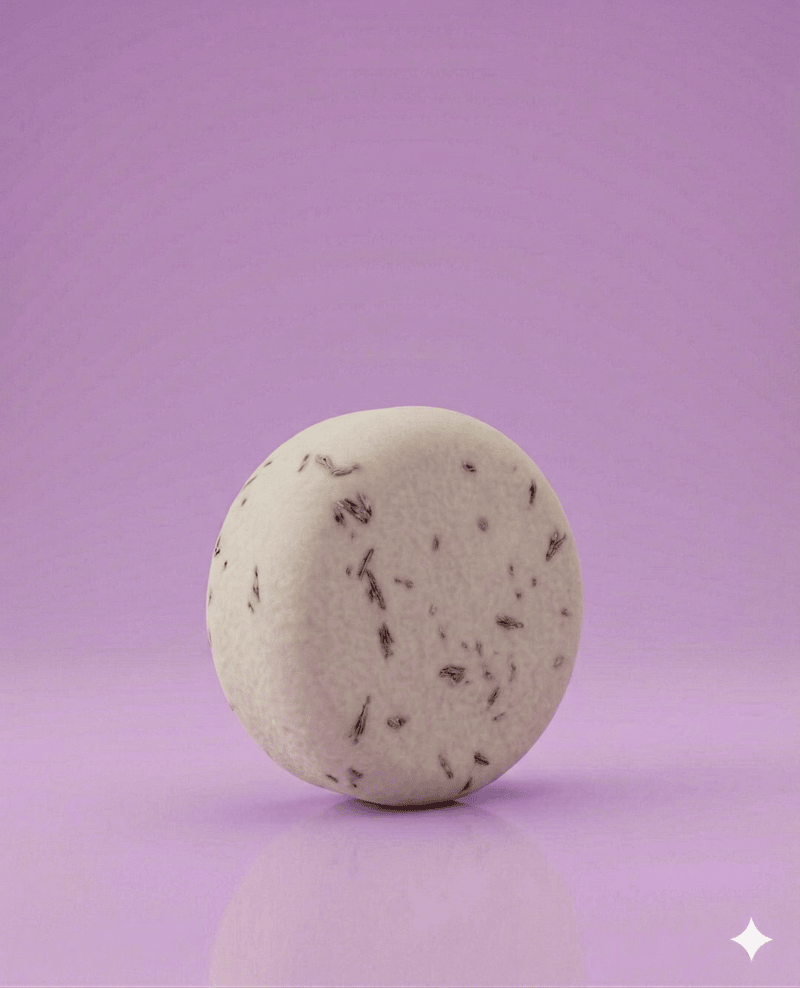
- Switch to Solid Bars — Use shampoo, conditioner, and body wash bars, or choose low-toxicity shower essentials in aluminium or glass packaging. Bars last longer, produce less waste, and cut plastic contact with your daily formulas entirely.
- Choose Durable Tools — Swap disposable plastic razors for a stainless steel safety razor, replace synthetic sponges with natural sea sponges, and reach for plant-based brushes over nylon alternatives.
- Adopt Reusable Basics — Replace disposable cotton pads with washable organic cotton rounds, swap single-use sheet masks for reusable silicone covers, and choose compostable cotton swabs instead of plastic-stemmed ones.
- Seek Glass & Metal Packaging — Look for moisturisers, serums, and creams packaged in glass jars, aluminium tins, or metal tubes. Plastic bottles can leach chemicals directly into the formulas sitting inside them — especially in warm or sunny conditions.
- Use Cleaner Formulas — Where possible, choose makeup and skincare products that explicitly exclude parabens, phthalates, PFAS, and synthetic fragrance. Shorter, recognisable ingredient lists are a useful guide.
- Prioritise Natural Scents — Choose products that are fragrance-free or scented with pure essential oils. The single word "fragrance" on a label can legally hide hundreds of individual chemicals, including endocrine-disrupting phthalates.
The worst offenders
Learn which beauty products carry the highest chemical load.
Fragrance
Perfume, Eau de Toilette, Scented Products
The word "fragrance" or "parfum" on any ingredient list can legally represent hundreds of unlisted chemicals. Daily use means chronic, cumulative exposure to endocrine disruptors — including phthalates linked to fertility issues. When sprayed on skin they are absorbed directly into the bloodstream; when inhaled, they can bypass many of the body's natural detoxification pathways.
Personal Care
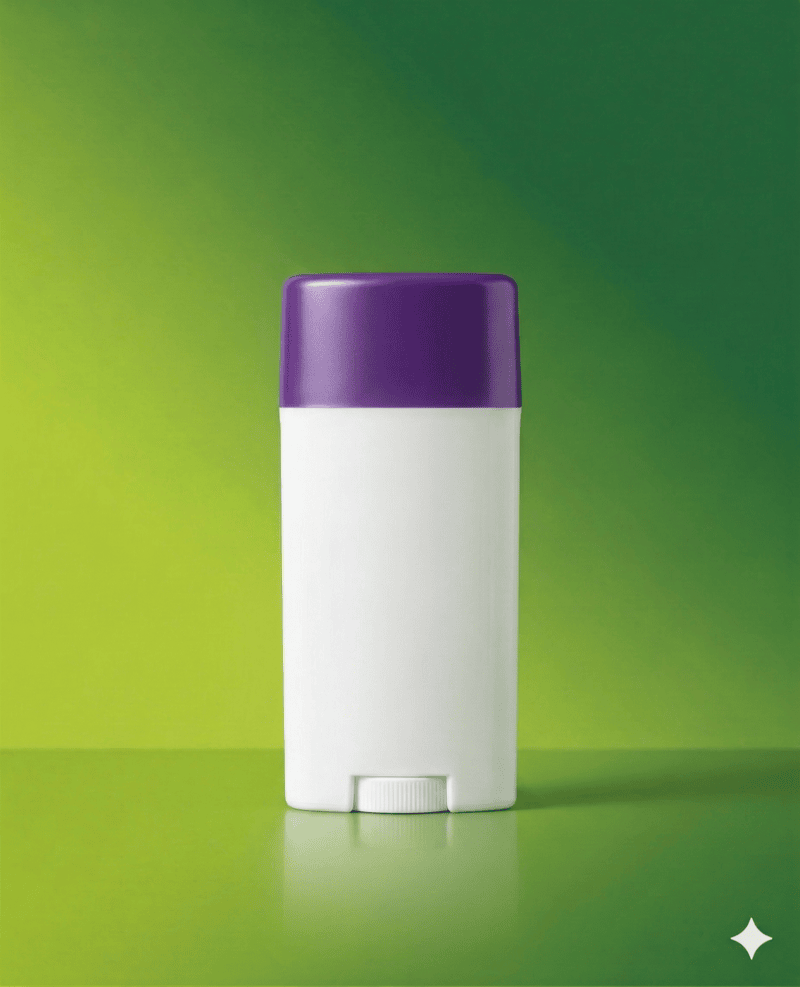
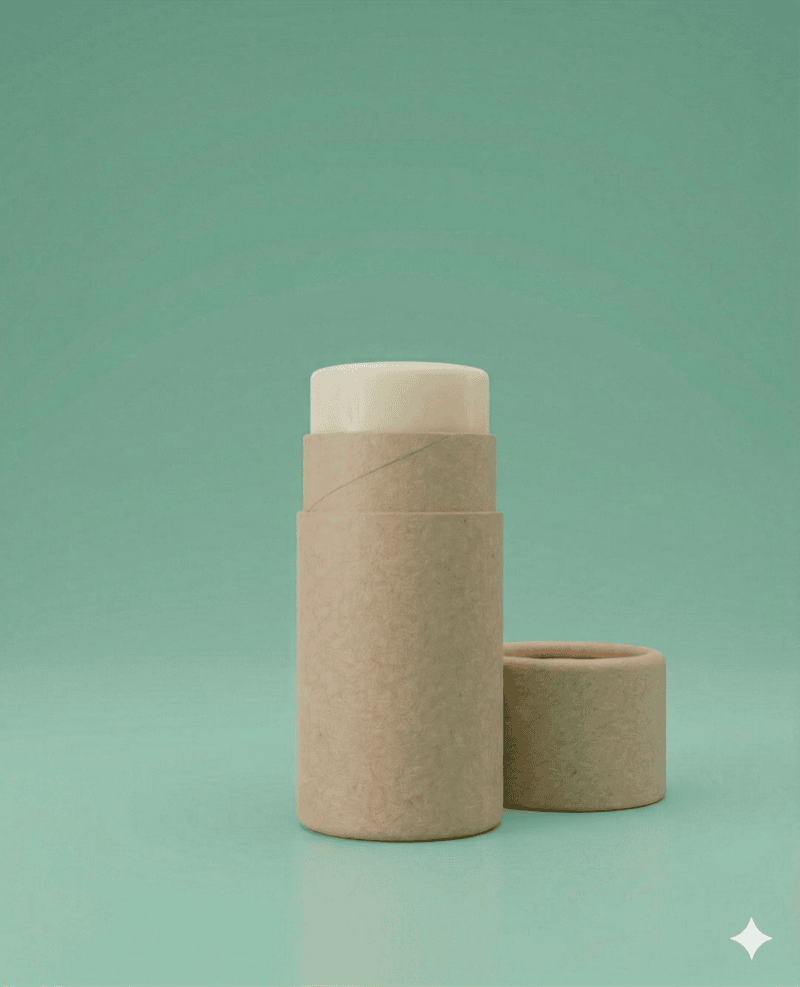
Deodorants, Antiperspirants
Applied daily to thin, highly absorbent skin near lymphatic and breast tissue, deodorants and antiperspirants are a high-impact exposure source. Many contain parabens, formaldehyde-releasing preservatives, and synthetic fragrance. Antiperspirants additionally use aluminium salts that can be absorbed into breast tissue over time.
Lotions
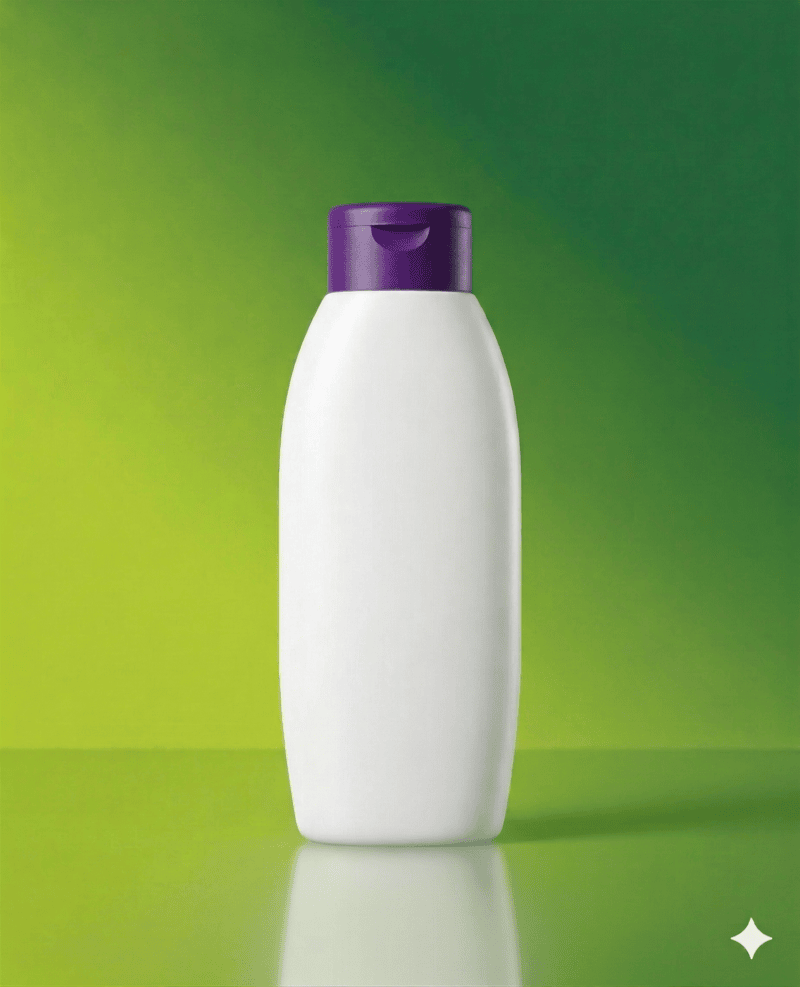
Body Creams, Body Oils, Moisturisers
Used daily over large areas of skin, lotions create sustained, whole-body chemical absorption. Many formulas contain parabens, formaldehyde-releasing preservatives, synthetic fragrance, and PFAS. Some include penetration enhancers specifically designed to help ingredients cross the skin barrier — which also means any hormone-disrupting chemicals present get a direct route into the bloodstream.
Hair Products
Shampoos, Conditioners, Leave-ins, Relaxers
Applied directly to the scalp and designed to last throughout the day, hair products extend exposure to hormone-disrupting chemicals longer than almost any other category. Hair relaxers and straightening treatments contain particularly potent endocrine disruptors and have been linked to uterine cancer. Leave-in products often carry high levels of synthetic fragrance, parabens, silicone derivatives, and PEGs.
Makeup
Foundation, Lipstick, Mascara
Worn for hours and — in the case of lip products — repeatedly ingested, makeup creates a direct pathway into the body. Studies have found PFAS in over half of lip products tested, and foundation containing PFAS correlates with measurable PFAS levels in blood serum. Heavy metals and chemical colorants are not always clearly disclosed on labels.
Nail Products
Polish, Polish Remover, Gels
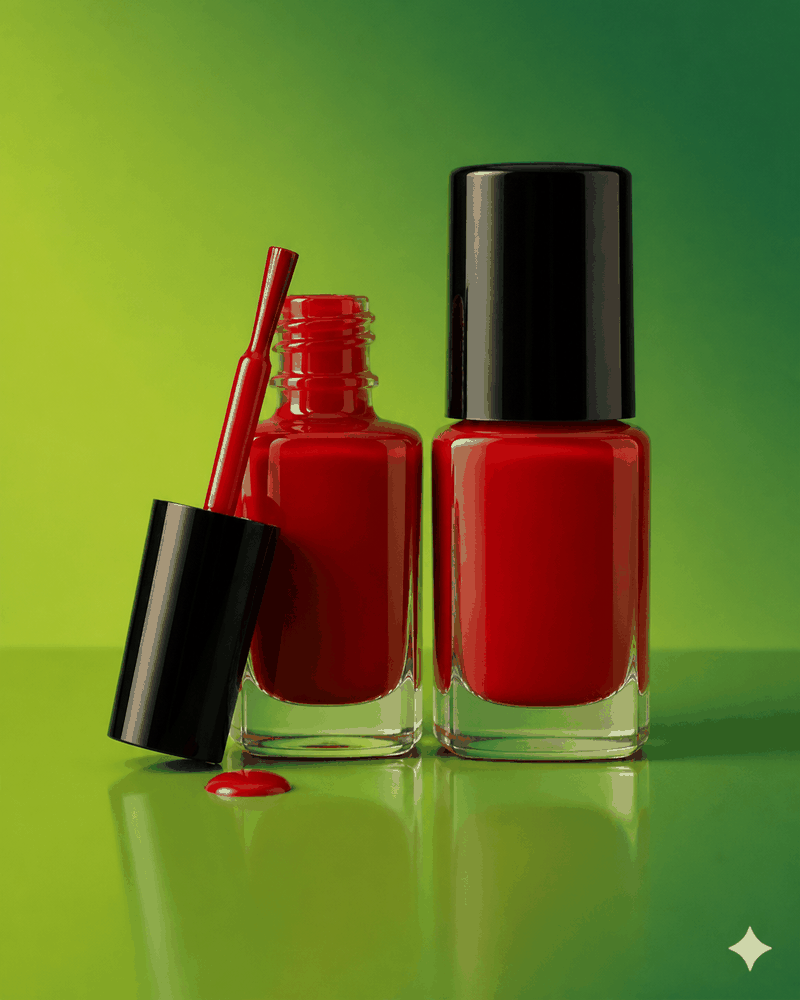
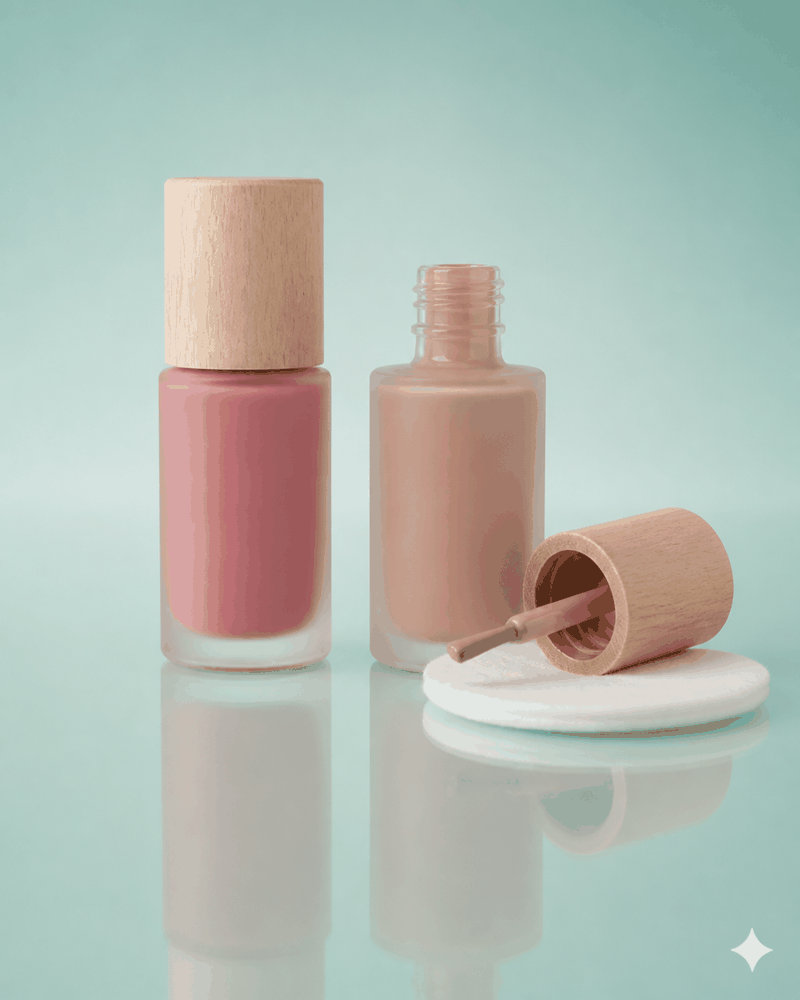
Nail products contain highly volatile solvents that are both inhaled and absorbed through the nail bed and surrounding skin. Many formulas include toluene, formaldehyde, dibutyl phthalate, and other chemicals linked to hormone disruption and respiratory irritation. Gel and artificial nail systems often contain acrylates that can trigger lasting allergic sensitisation — with nail technicians facing some of the highest occupational exposure of any profession.
Labels
These three terms on beauty packaging are worth looking up before you buy.

Fragrance
A single legal loophole that can conceal hundreds of individual chemicals — including phthalates — under one word. If a product lists "fragrance" or "parfum," there is no way to know what you're actually applying to your skin.

Plastic-Free Packaging
Worth seeking out, because heat and sunlight exposure cause plastic packaging to leach chemicals directly into the products stored inside. Glass, aluminium, and metal containers are the safer alternatives for anything applied to skin daily.

Parabens
Preservatives used across skincare, haircare, and cosmetics that are linked to hormone disruption. Look for any ingredient ending in "-paraben" — methylparaben, propylparaben, butylparaben — and choose formulas that exclude them entirely.