
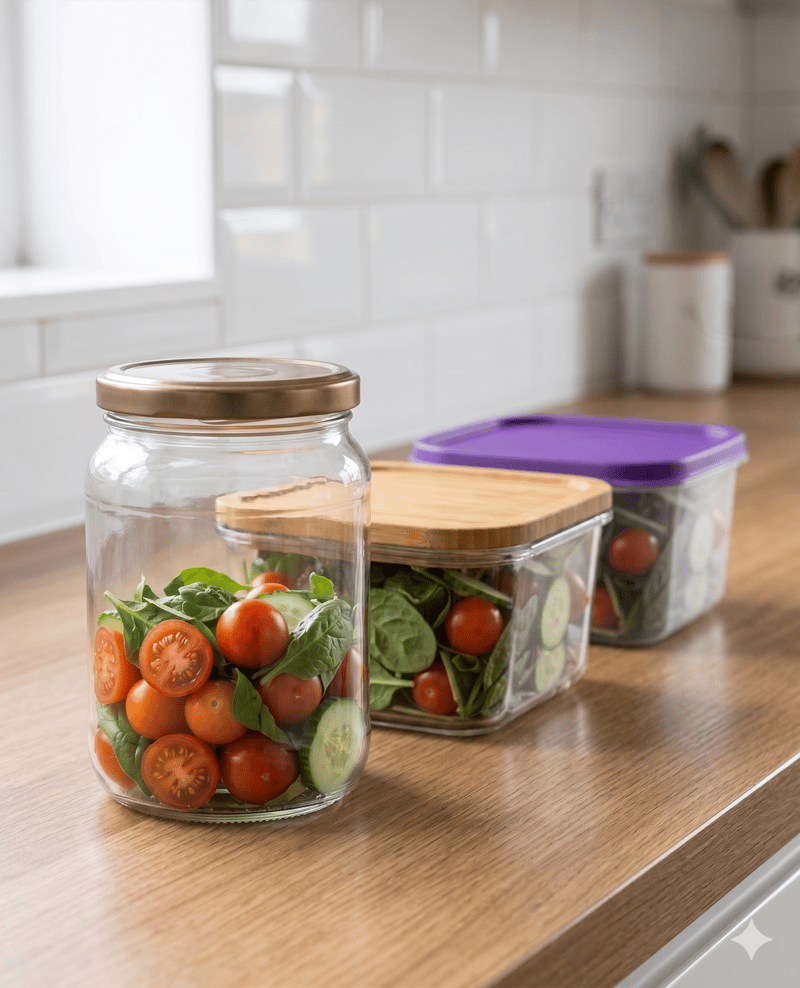
You Don’t Need to Buy Anything
When people hear “go toxic-free,” they often imagine an expensive overhaul — new bottles, new containers, new everything. But some of the most effective swaps cost absolutely nothing. You probably already have what you need sitting in your kitchen right now.
At GoToxicFree, we’ve started tagging products with a Free Alternative badge whenever we’ve identified a zero-cost option. When you click through to a product detail page, you’ll find a dedicated section that explains exactly how to use something you already own instead of buying something new.
How It Works
Browse our alternatives page and look for the Free Alternative badge on any product card. Tap through to the full product page, and you’ll find a step-by-step idea alongside the paid alternative — giving you the choice between buying a purpose-built solution or repurposing something for free.
Here are three examples we’ve identified so far.
Repurposed Glass Bottle Instead of a Plastic Water Bottle
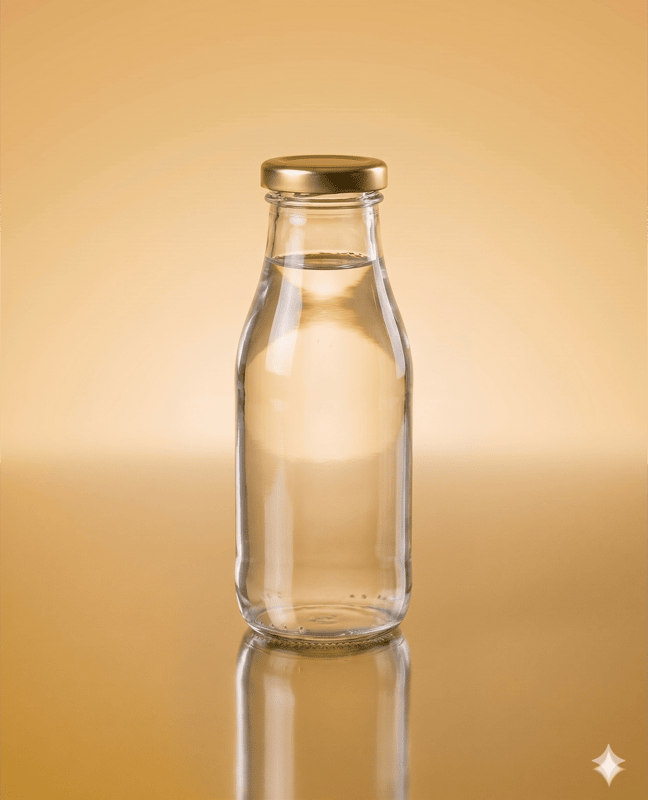
That glass bottle from last week’s pasta sauce or juice? Don’t throw it away. Give it a thorough clean with hot soapy water, and you’ve got yourself a drinking bottle that’s completely non-reactive. Glass won’t leach chemicals regardless of temperature, it’s easy to sanitise, and it looks surprisingly elegant on your desk.
How to do it: Take any glass bottle with a wide enough mouth for easy cleaning. Remove the label with warm water and a bit of baking soda. Wash thoroughly, and it’s ready to use. Some people add a silicone sleeve for grip and protection — but that’s entirely optional.
Reuse Glass Jars Instead of Plastic Food Containers
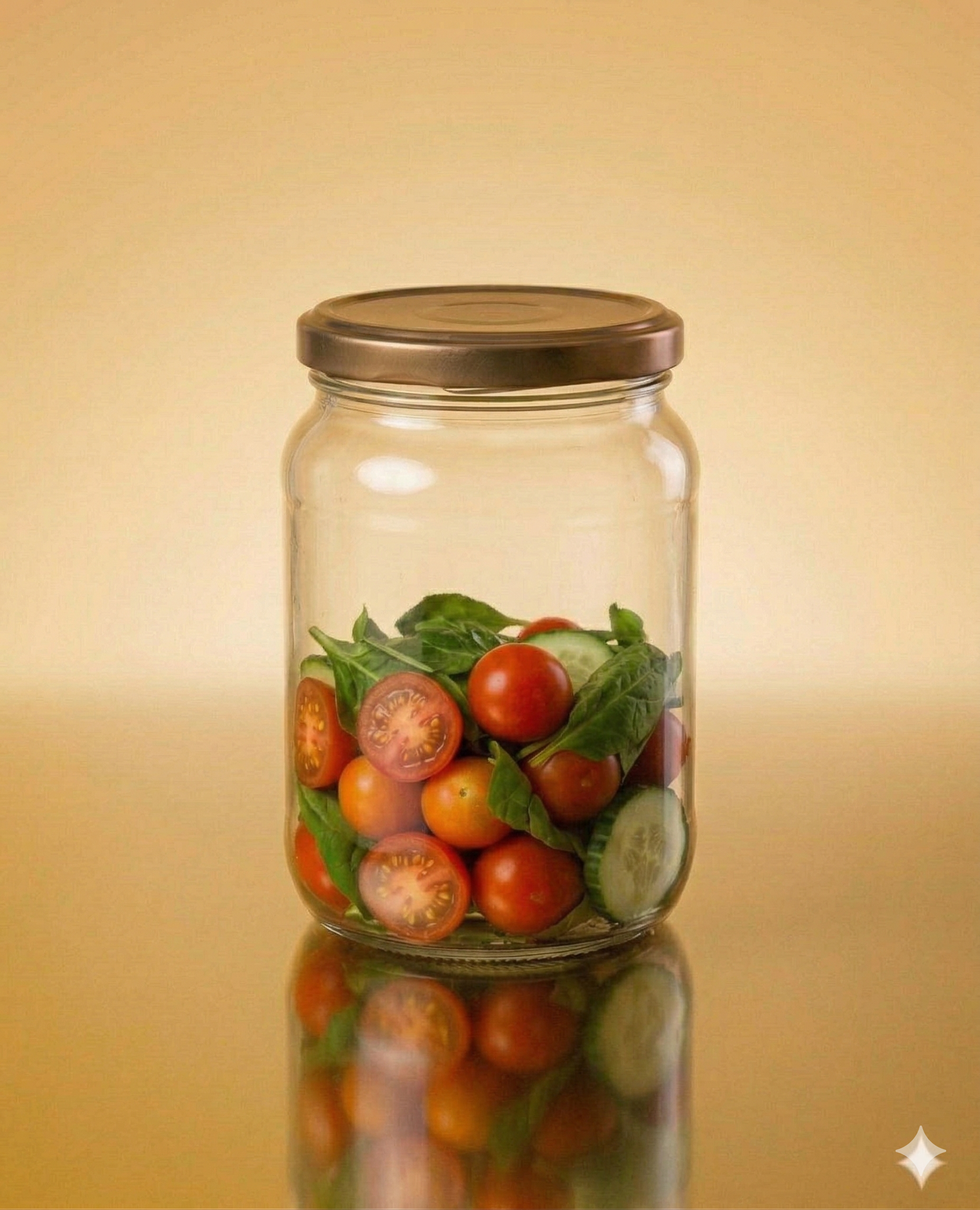
Every week, most households go through jars of pasta sauce, jam, pickles, and other foods. Instead of recycling them straight away, wash them out and use them to store leftovers, meal prep, dry goods like rice and lentils, or even freeze soups (just leave some headroom for expansion).
How to do it: After finishing a jar, soak it in warm water to loosen the label and any residue. Wash with hot soapy water and let it dry completely. Mason-style jars from store-bought products are already designed for food storage and can handle temperature changes. Within a few weeks, you’ll have a full set without spending a penny.
Stainless Steel Pot Instead of a Plastic Kettle
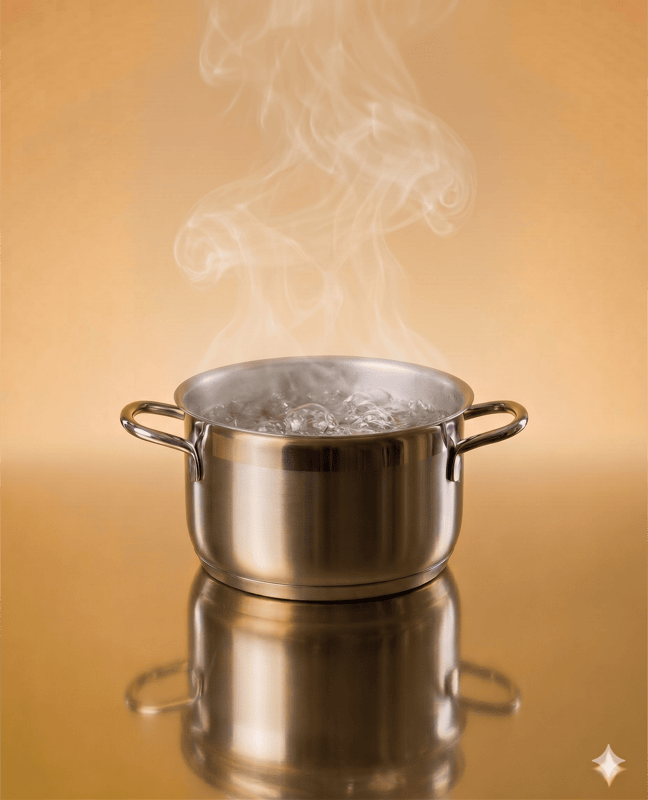
You almost certainly have a stainless steel pot in your kitchen already. Fill it with water, put it on the stove, and you’ve just boiled water without any plastic contact. It takes a minute or two longer than an electric kettle, but you avoid microplastics entirely.
How to do it: Use a small or medium saucepan — ideally stainless steel with no nonstick coating. Boil the water, then pour it directly into your cup, teapot, or thermos. If you’re making tea or coffee regularly throughout the day, consider boiling a larger batch and storing it in a stainless steel thermos.
More Free Alternatives Coming
We’re actively researching more zero-cost swaps across every room in your home. As we identify them, they’ll appear on the relevant product pages with the Free Alternative badge. If you’ve discovered a clever free swap of your own, we’d love to hear about it — reach out to hello@gotoxicfree.com.
The Bottom Line
Going toxic-free doesn’t have to mean going shopping. Start with what you have. A glass jar, a steel pot, a bottle you were about to recycle — these small acts of repurposing add up to a meaningful reduction in your daily plastic and chemical exposure. And they’re completely free.