
Glass Coffee Cup
Replaces: Plastic Coffee Cup
 The Problem
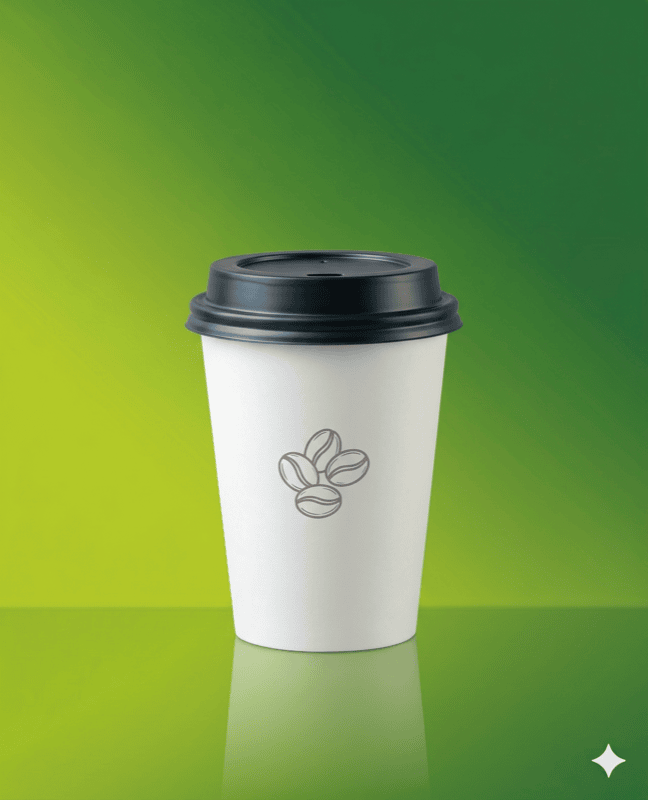
 Plastic Coffee Cup
 The Solution
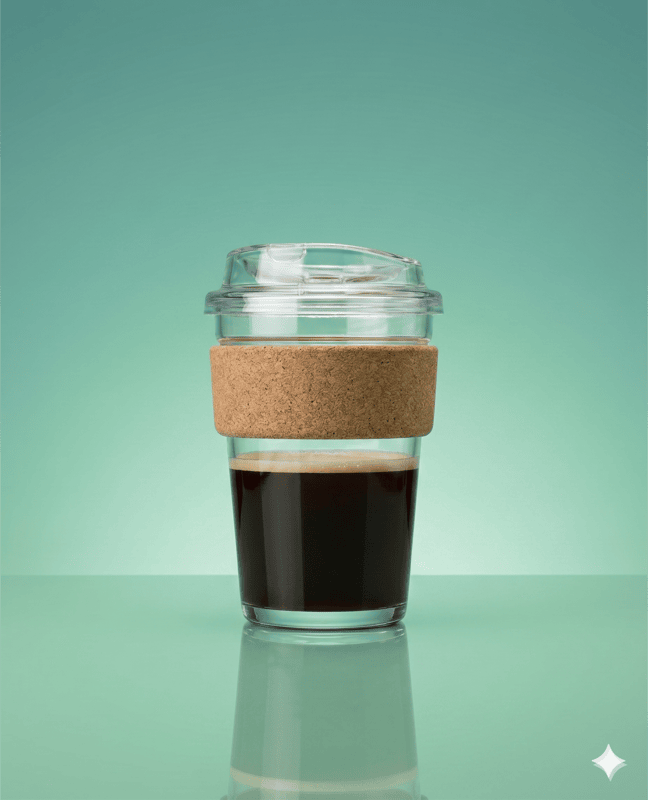
 Glass Coffee Cup
Glass Coffee Cup
Replaces: Plastic Coffee Cup
Shop Now →Why Switch?
Hot coffee is the perfect storm for plastic leaching. The combination of high temperature, acidity, and prolonged contact means that plastic cups and travel mugs release significantly more microplastics and chemical compounds into your drink than cold beverages. Research has shown that a single disposable plastic-lined cup can shed over 25,000 microplastic particles into one serving of hot coffee. Reusable plastic cups fare better but still degrade over time, releasing BPA, BPS, and phthalates — all of which are endocrine disruptors.
Plastic also absorbs and retains flavours and odours from previous drinks, subtly altering the taste of your coffee over time.
What Makes It Better
Glass is completely inert — it won’t react with hot, acidic coffee no matter how many times you use it. A borosilicate glass coffee cup is designed to handle thermal shock, so it won’t crack when you pour in boiling water. The non-porous surface means zero flavour absorption, giving you a clean, pure taste with every cup.
Many glass coffee cups come with silicone sleeves for heat protection and grip, and tight-fitting lids for on-the-go use — offering the same convenience as plastic without any of the health concerns.
Key Benefits
- Zero chemical leaching — even with boiling hot beverages
- Preserves the true flavour of your coffee with no plastic aftertaste
- Borosilicate glass withstands thermal shock and daily use
- Non-porous surface won’t absorb stains, flavours, or odours
- Easy to clean — dishwasher safe
- Fully recyclable and environmentally friendly